

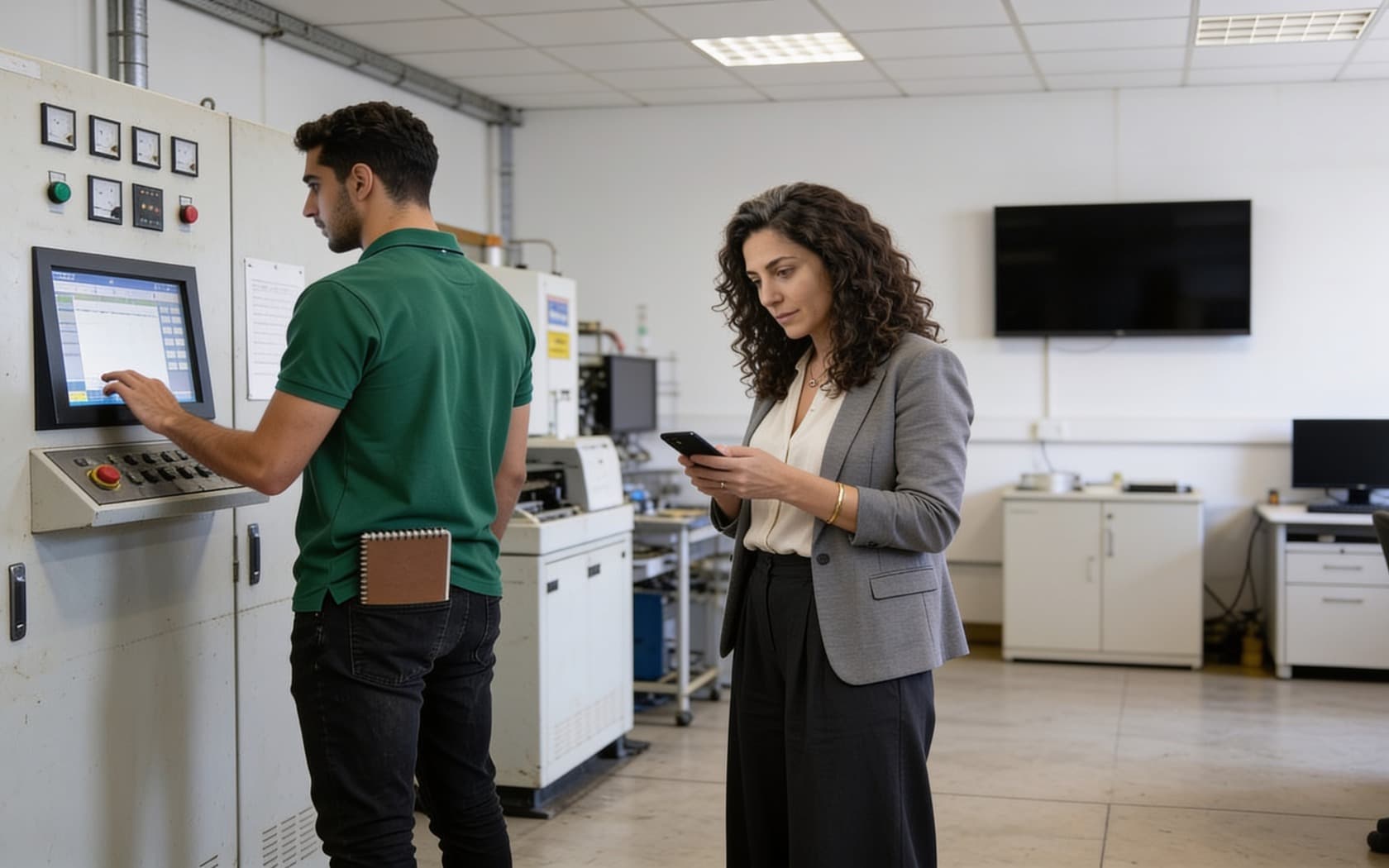
SCADA Open Platform

SOP · SCADA Open Platform

The operating system of the plant.

A platform by SACS-IT

The whole plant, integrated by birth.

One system instead of five.

SCADA, production, performance, maintenance and reports, on one database.

SOP CopilotComing in November

Assistant

Every how-to, answered on the spot, instead of days of training.

Operations Copilot

The best answer across all operations — production, performance, maintenance, alarms — illustrated with your plant's own numbers.

Engineering Copilot

Moves tags, alarms, screens, production and maintenance from your old systems, or builds them new. Weeks of work saved, for plants and integrators.

The platform

One platform. Born integrated.

SCADA, Execution Manufacturing System, Equipment Performance System, maintenance and Enterprise Reporting are not five products that talk to each other through connectors. They were born on one database, in the same transaction, under the same rights: what the operator watches, what the line runs, what maintenance plans and what the auditor signs are the same rows — so they cannot disagree, and there is nothing to connect, because there is nothing to connect.

Discover the platform
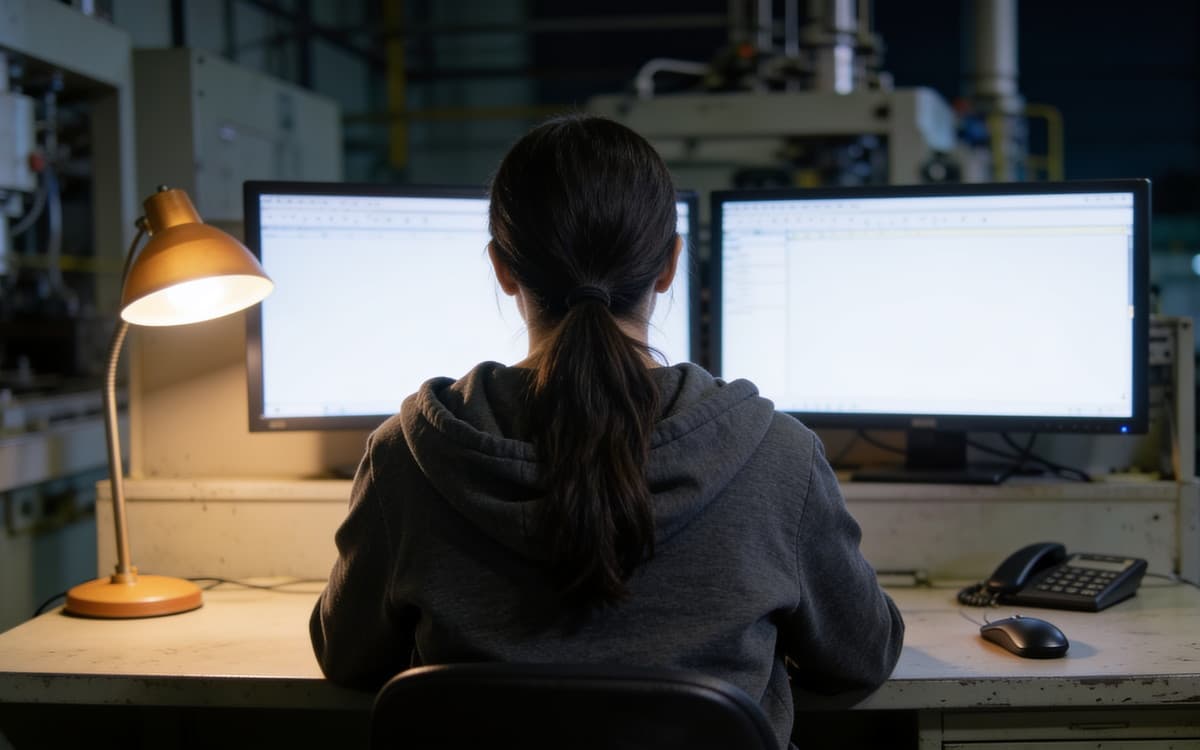
an engineer at a workstation, the whole line as one page on the screen

Built to never lose the plant

Availability is the architecture, not an option.

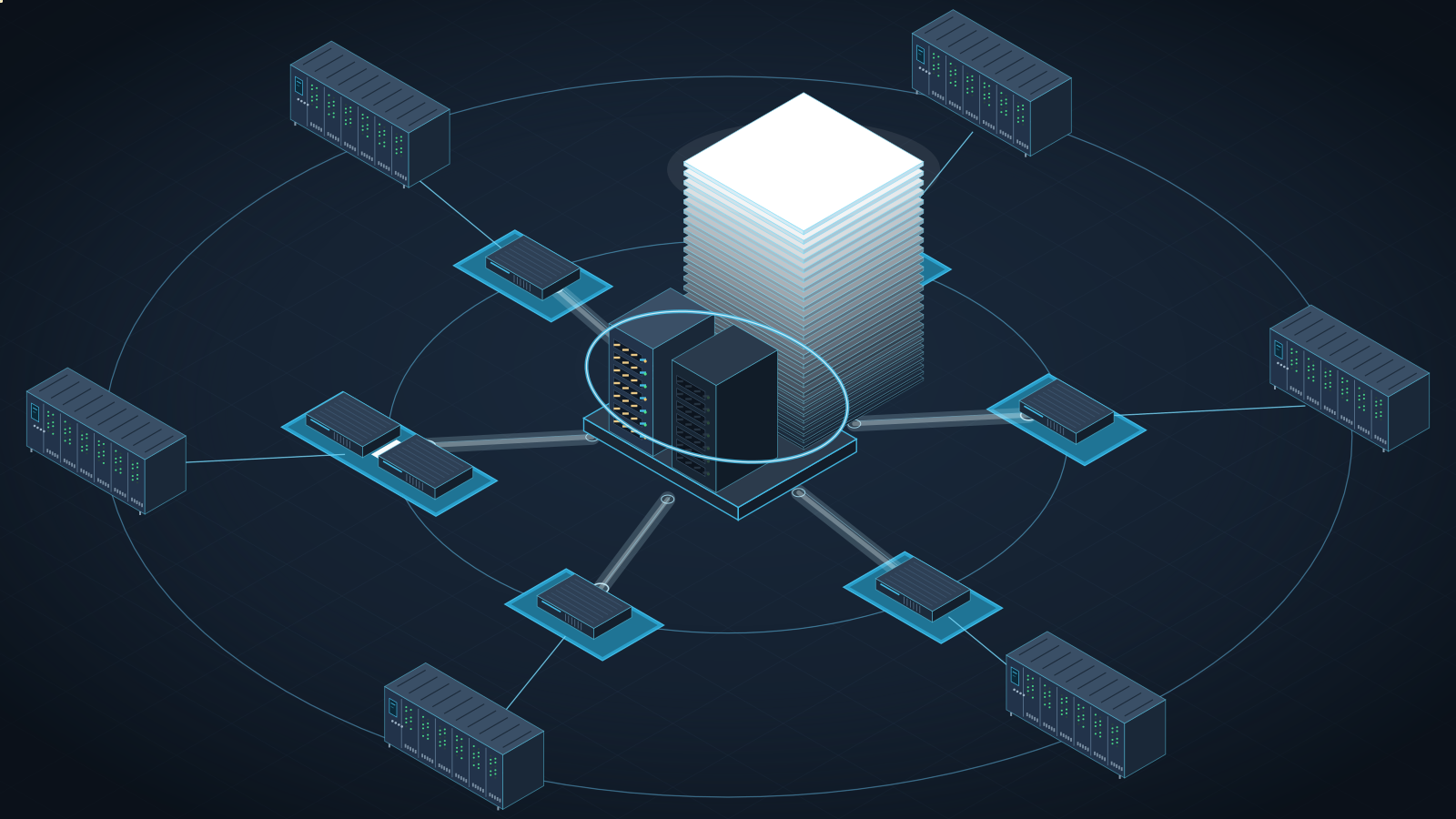
The edge holds the line; the server holds the plant.

One program beside the PLC reads the machines, judges the alarms and keeps the readings; the server holds the one database every capability runs on — the screens, the orders, the lost hours, the jobs and the record. Cut the network and the readings wait on the edge's own disk, then fill the gap in when the link returns: a server that stops loses no plant data, because the plant's data is kept at the edge until the server is back. Where a line cannot afford to lose its edge, a second one stands on the same devices and takes over.

Two servers for the whole plant.

Where every SCADA engine used to need its own standby — or a ring of servers standing by for each other — SOP protects dozens of lines with two: one duty, one standby, one address the plant dials. The standby takes the address the moment the duty stops, with nothing lost; a planned handover is a button that refuses unless both are in step; and the standby is part of the platform, not a second purchase.

The emergency HMI — we know of no other platform that does this.

If both servers are unreachable, the operators keep running the plant from the edge itself: no extra HMI panel, no second application — the same SCADA pages the server designed are already stored on the edge, and the edge serves them directly to the operators, with the same symbols, the same commands, live values and standing alarms, until the centre is back.

Adding a way to stay up costs a setting, not a licence.  ·  Proven in anger: a day-long cut of the history link, the lines still running on the plant's own edge, the missing hours back-filled in seconds when it returned — unattended.  ·  Not one of these changes a screen anybody uses.

How the plant stays up

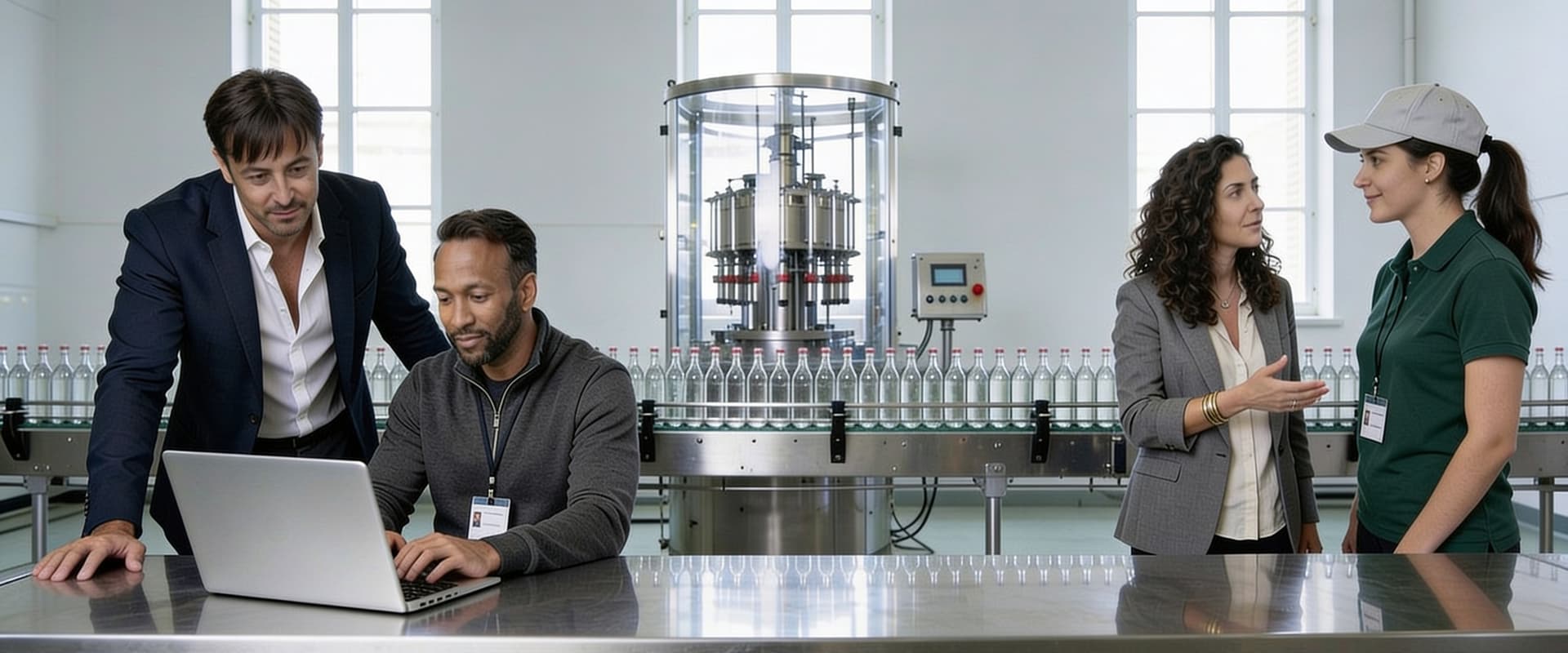
the plant's server room, five people at work, the line through the glass
The edgeholds the line · buffers · back-fills itself
The serverholds the plant · your hardware, air-gapped, or a cloud backbone
The pairtwo servers for the whole plant · one address moves
The edge againthe same pages, served directly when both servers are unreachable

Capabilities

Five capabilities. One platform.

SCADA first — the plant's screens, alarms, trends and history — then the four business capabilities born on the same rows: Execution Manufacturing System, Equipment Performance System, maintenance and Enterprise Reporting.

  1. 01SCADA
  2. 02Execution Manufacturing System
  3. 03Equipment Performance System
  4. 04Maintenance
  5. 05Enterprise Reporting
01/05

SCADA

a wall panel and a phone showing the same page

Everything a SCADA does, it does:

the page designer · Beverage Line 7 · Preview
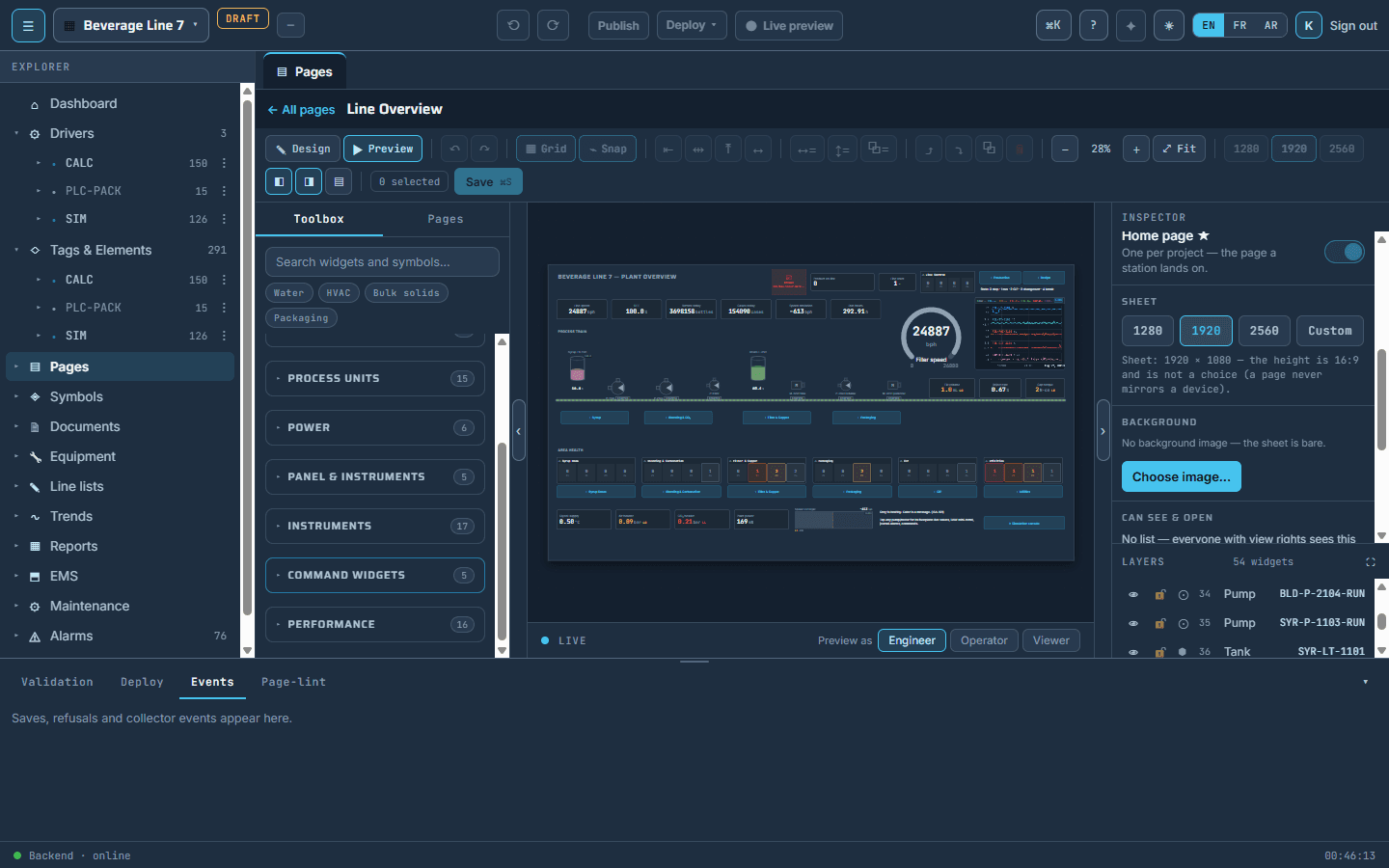
the page designer in Preview: the operator's own screen on the plant's real values
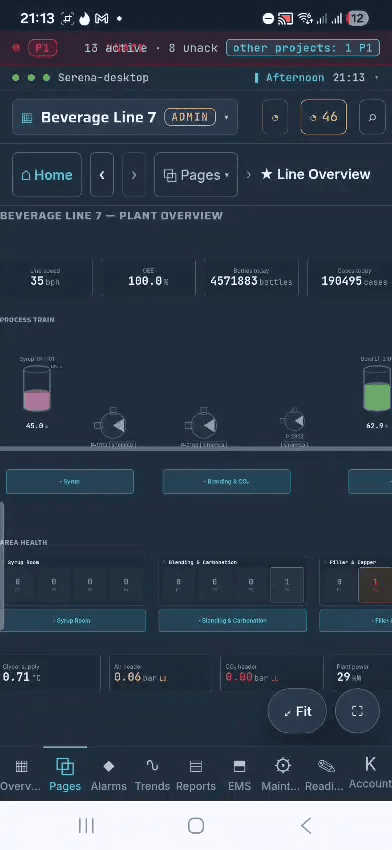
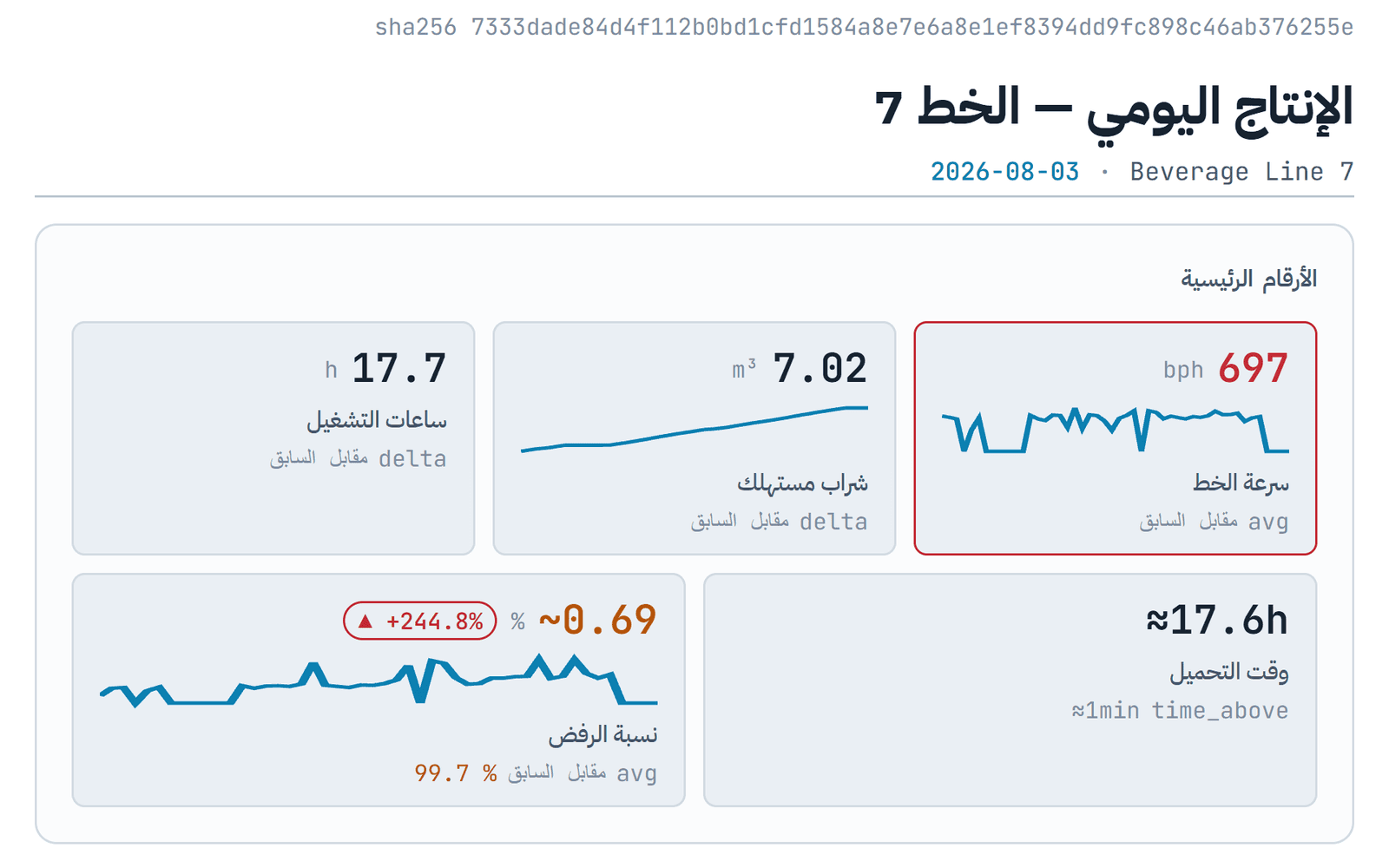
the line overview on a phone: the KPI tiles and the mini synoptica trend on a phone
The page designer in Preview: the operator's own screen on the plant's real values, while the work is still being done — and the same pages in the hand, on a phone
  1. Synopticsthe whole line at a glance on one synoptic, live, on the wall panel, the desk and the phone
  2. Machinesa faceplate on every machine: its values, a small trend, its alarms, its causes, its commands and its documents
  3. Commandsattributed, timestamped, and refused in the database when the person may not
  4. Alarmsprioritised, acknowledged by name, shelved with a reason and a return time; the journal that keeps every one; the insights ISA-18.2 and EEMUA 191 ask for — the rate against its target, the response times, the flood episodes, the alarms that raise most; the shift handover sheet
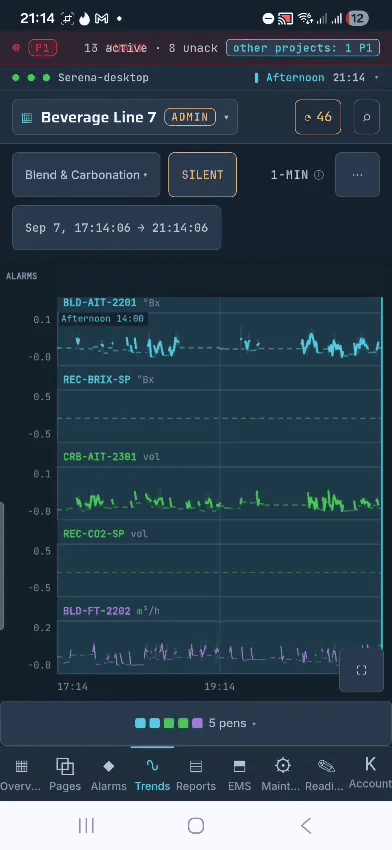
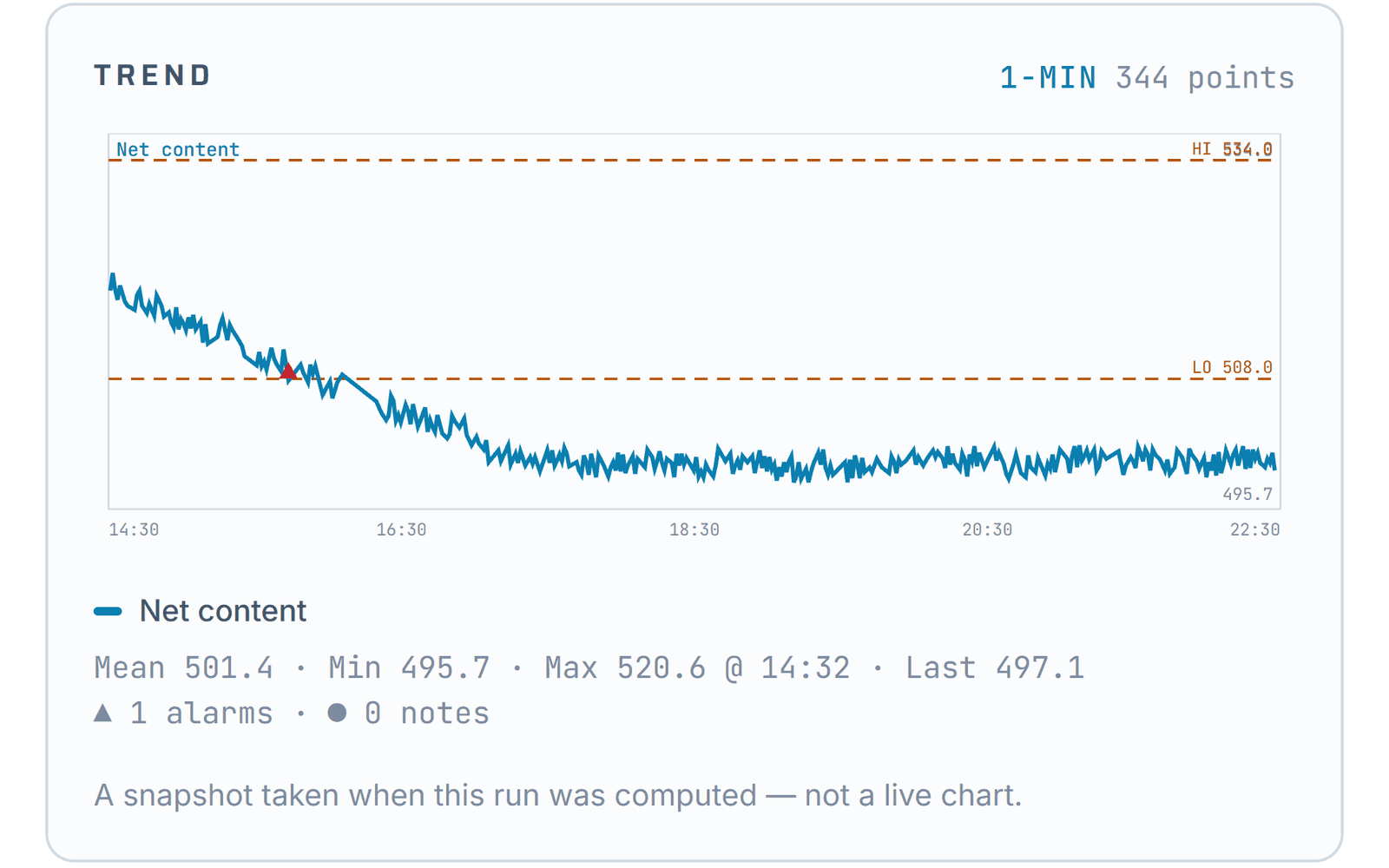
  5. Trendstwo cursors and the numbers across the span; shift-aware windows on the plant's clock; annotations that stay with your name and the time; a stamped export; a link that opens the same window for a colleague
  6. Historyevery reading kept; a month of a slow signal drawn as fast as an hour
  7. Engineeringa browser editor with live preview against the running line; a symbol library by equipment family; a line travels to the next plant as one file
  8. Rights and recordusers, groups and rights down to one page, one signal, one module; the audit journal across the fleet
  9. Languages and panelsthree languages, right to left included; the pinned panel that shows one line and nothing else
  10. Drivers and serversthe drivers a plant needs — Modbus, OPC DA, Siemens S7 and OPC UA among them; duty and standby servers

And what no other platform does like us

TimeLens · Beverage Line 7 · replay
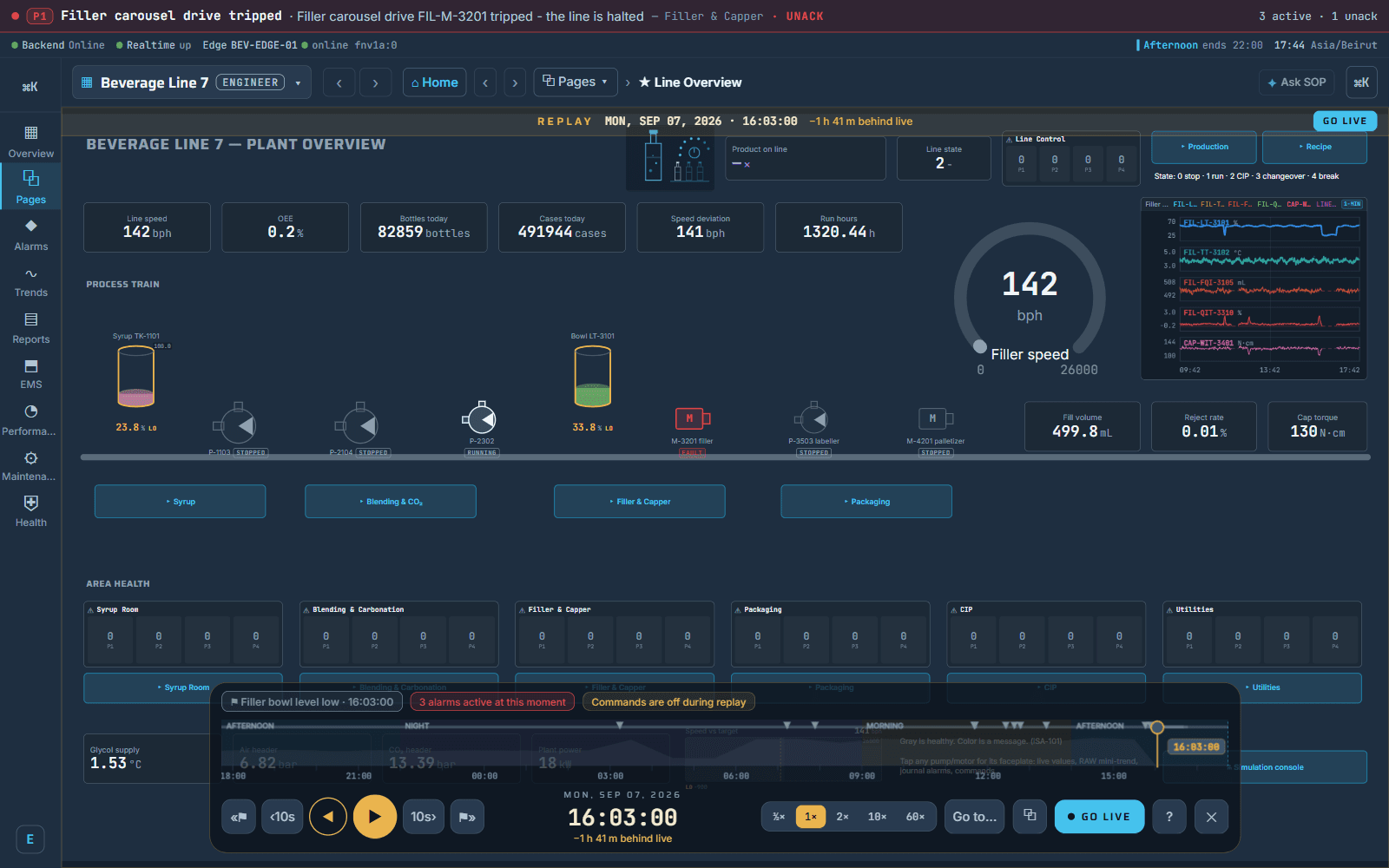
TimeLens: the synoptic replayed, the gold bar
TimeLens · the same synoptic replayed from the history — the gold bar, the alarms at that moment, commands off
Tag Lens · BLD-AIT-2201 · the card and the thread
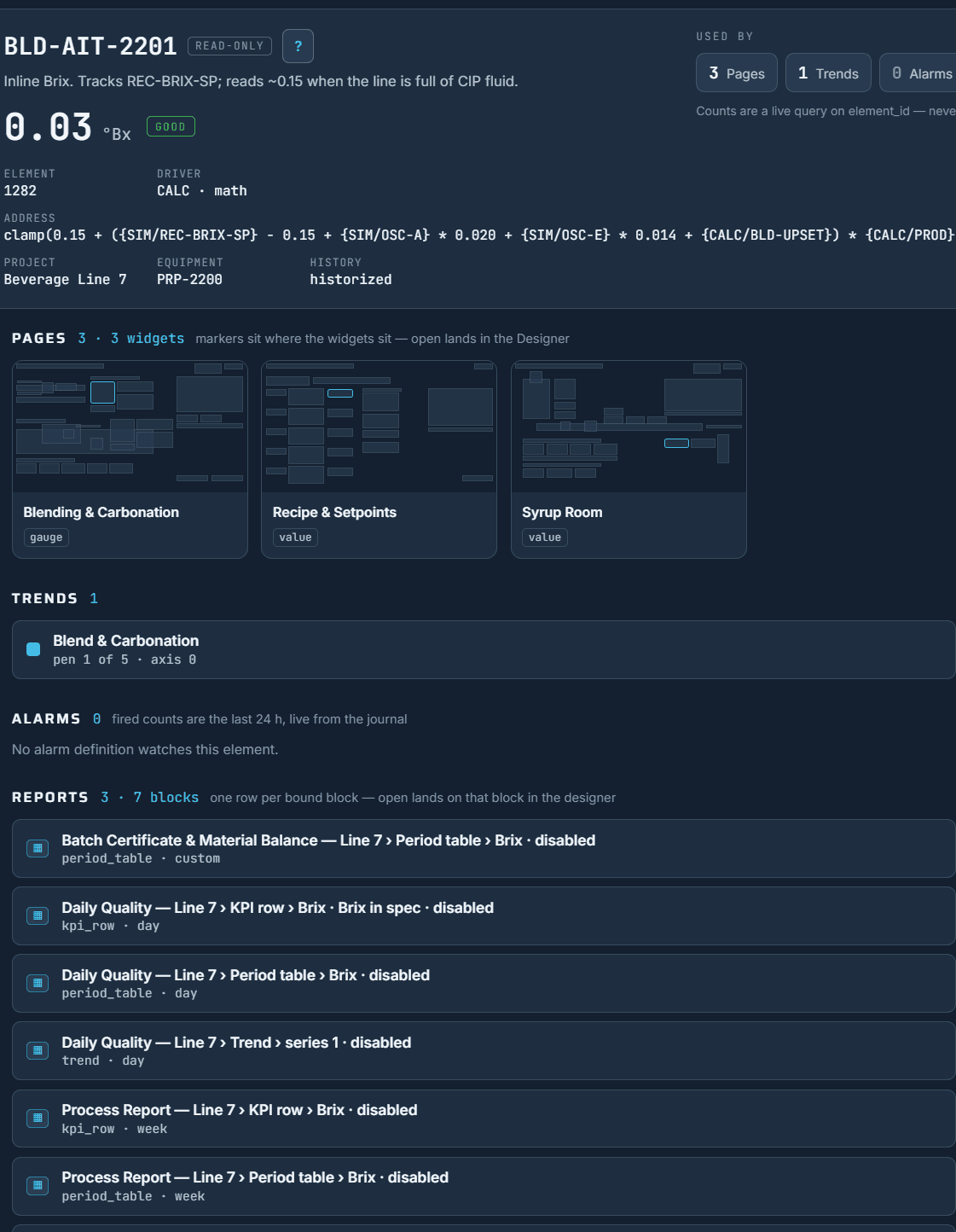
Tag Lens: one signal, everywhere it is used
Tag Lens · one signal: its identity card, and the thread of every page, trend, alarm, report block and formula that uses it — and what if, before the change
  1. One synoptic, every screenOne synoptic drawn once and served on every screen, live — the wall panel, the desk and the phone serve the same page; nothing installed, no separate app.
  2. The editor previews the line, not sample numbersThe page designer's second mode is the operator's own screen, on the plant's real values; the signal list, the binder and the trend read the running line while the work is still being done.
  3. Tag LensOne signal followed through every page, trend, alarm, report block and formula; press what if and every one of them shows its own fate before the tag is touched. We know of no other platform that follows one tag through every module of the plant.
  4. TimeLensAny page replays from the history, back and forward, alarm to alarm, or straight to a moment; the replayed screen wears gold and its commands are off.
  5. An alarm is an event with a recordPrioritised, acknowledged by name, shelved with a reason and a return time; delete the rule and every alarm it raised stays in the journal.
  6. Every machine carries its own doorIts values, a small trend, its own alarms, its causes, its commands and its documents; put the datasheet in once and it opens at the machine.
  7. The engineer draws the chart; the operator finishes itTwo cursors, the numbers across the span, add a curve and keep it.
  8. Engineered in a browserA line travels to the next plant as one file.
02/05

Execution Manufacturing System

The line runs its own orders.

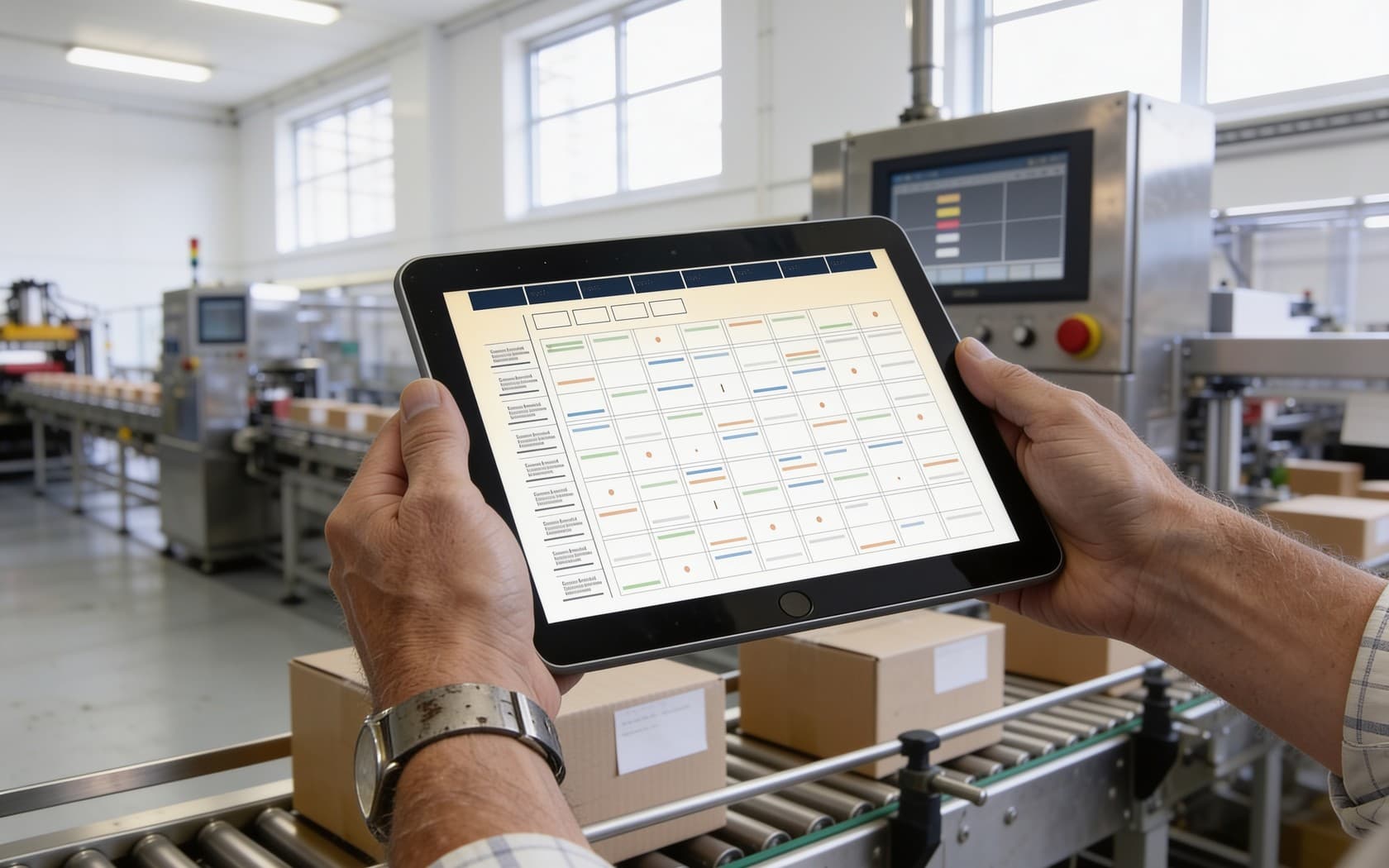
the end of a packaging line, the supervisor with the job board
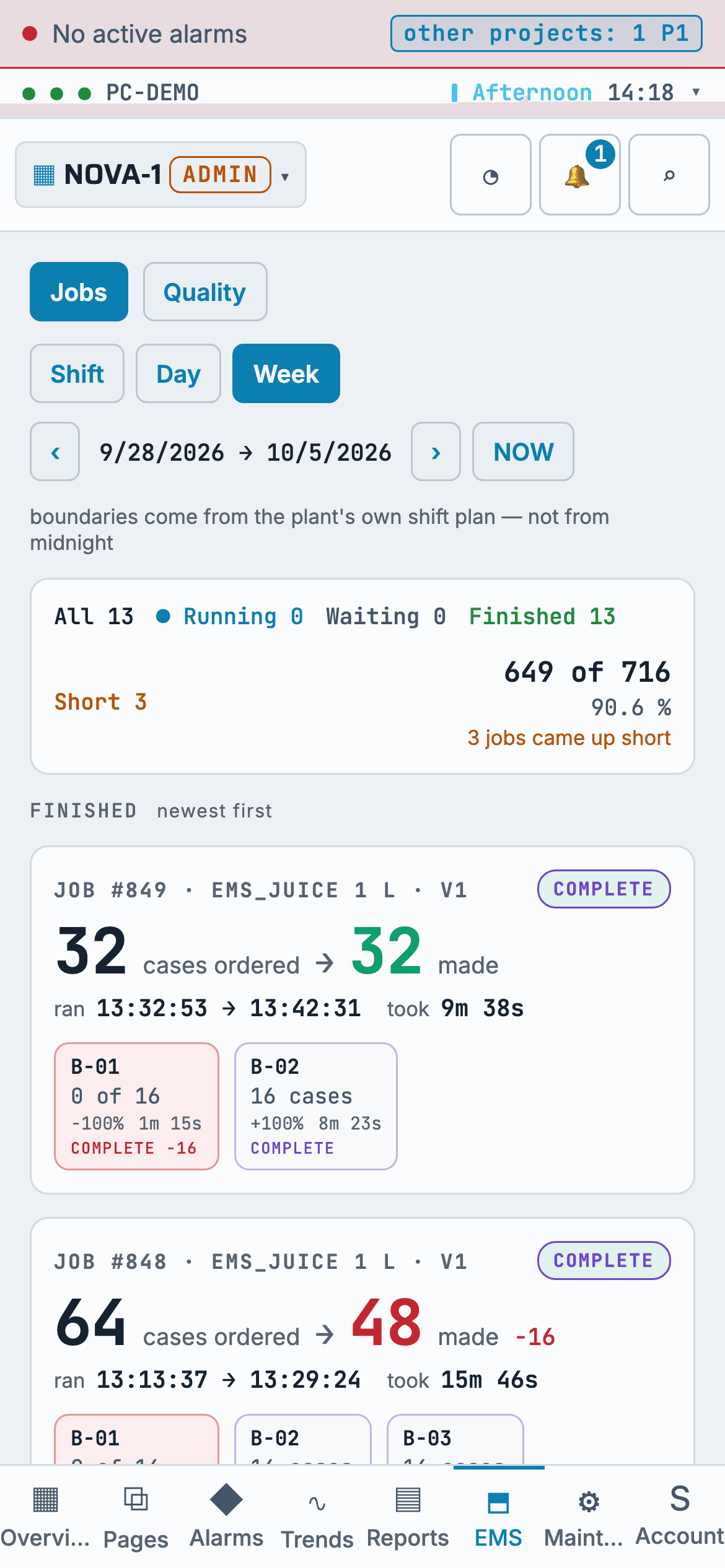
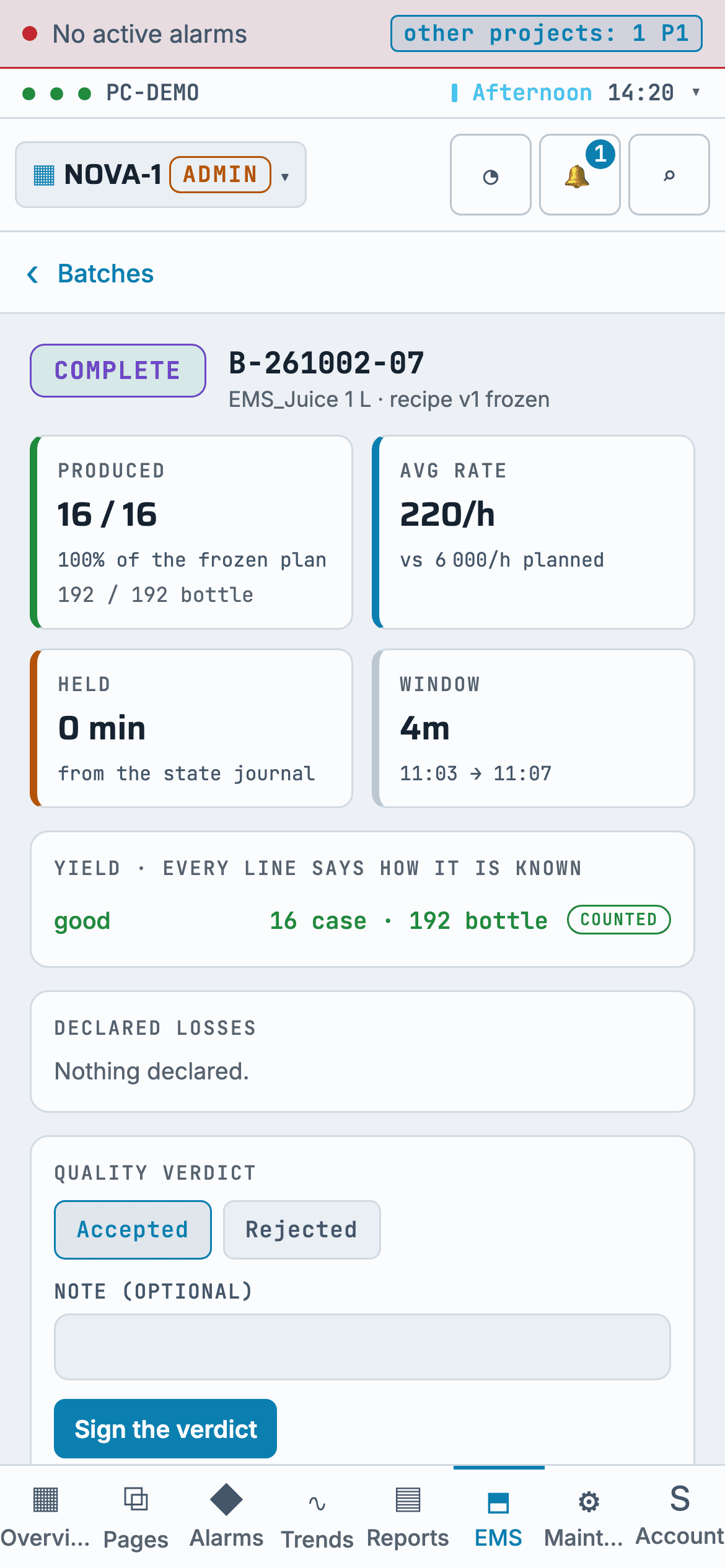
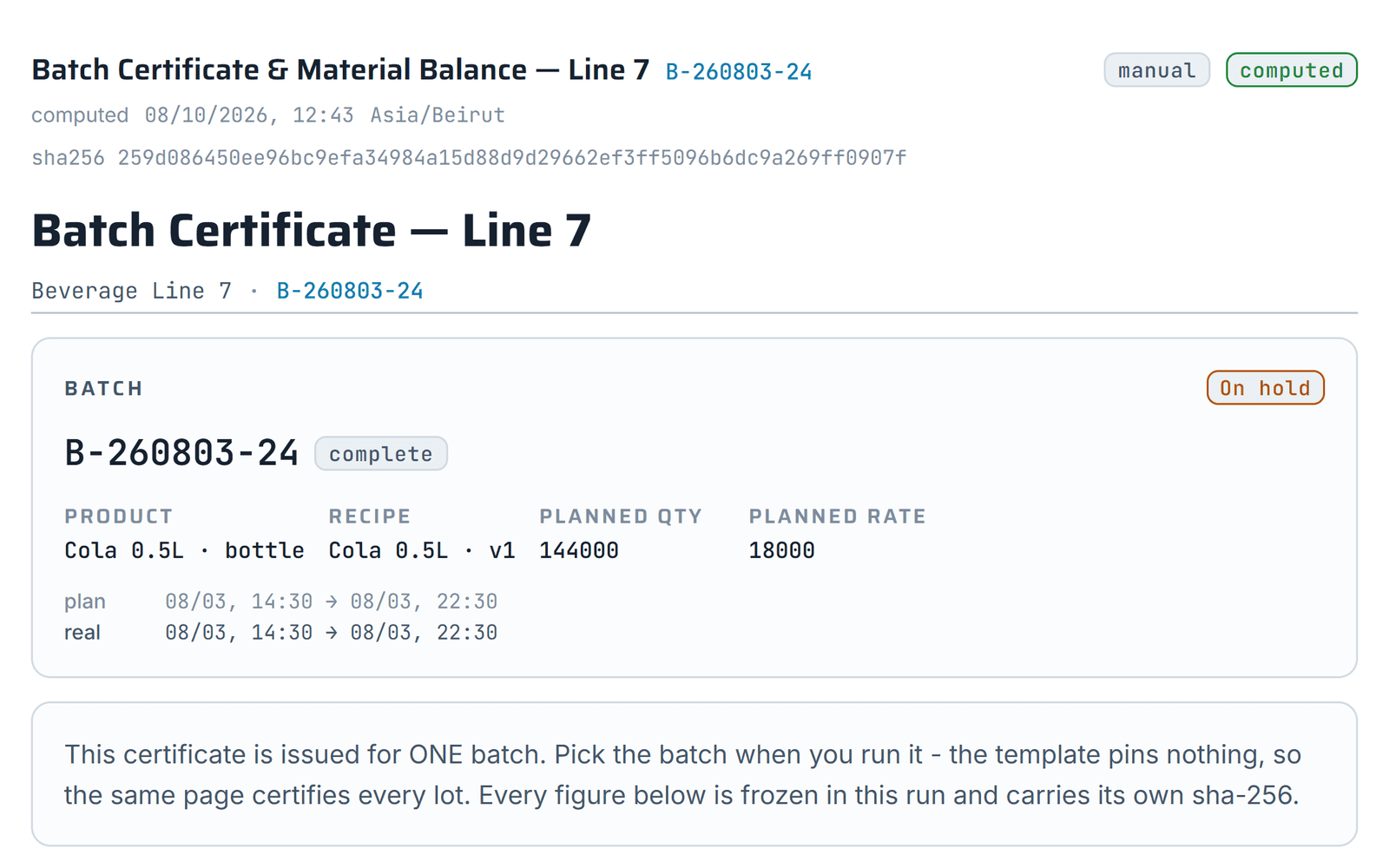
  • The plant is described once: the batch vessel sizes the batch, the last stage's counter gives the good count; nobody types a quantity.
  • The formula is signed before the plant may run it; approving a new version retires the old in the same breath, and every batch keeps the copy it ran with.
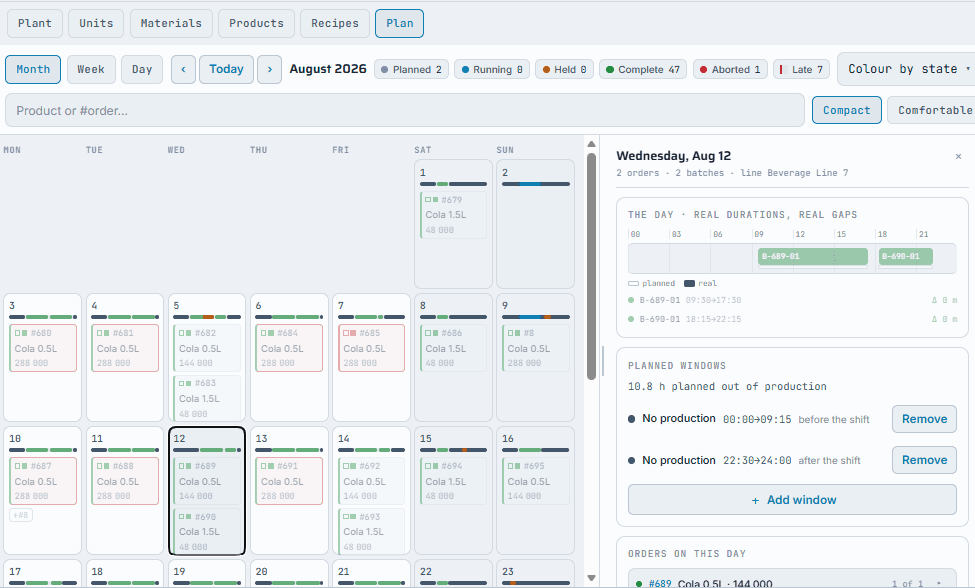
  • One press mints the order, every batch, its window and the line's own tags; a wash, a changeover or a shutdown is planned, not suffered.
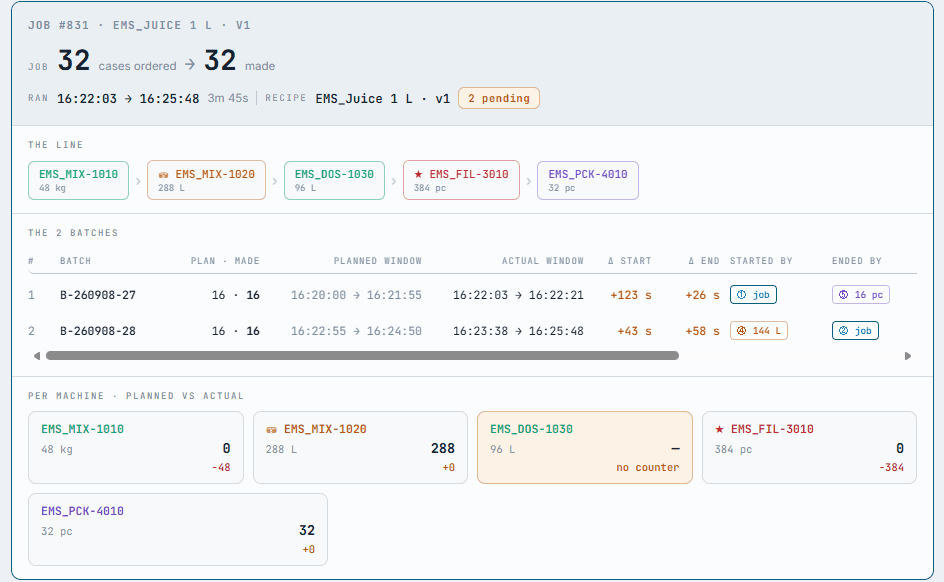
  • Nobody presses start: the line begins and ends its own jobs from two signals, stamped with the plant's own clock.
  • Batches overlap, because lines do — and you choose who decides a boundary, the plant or the counters, and change it live within a minute with no restart.
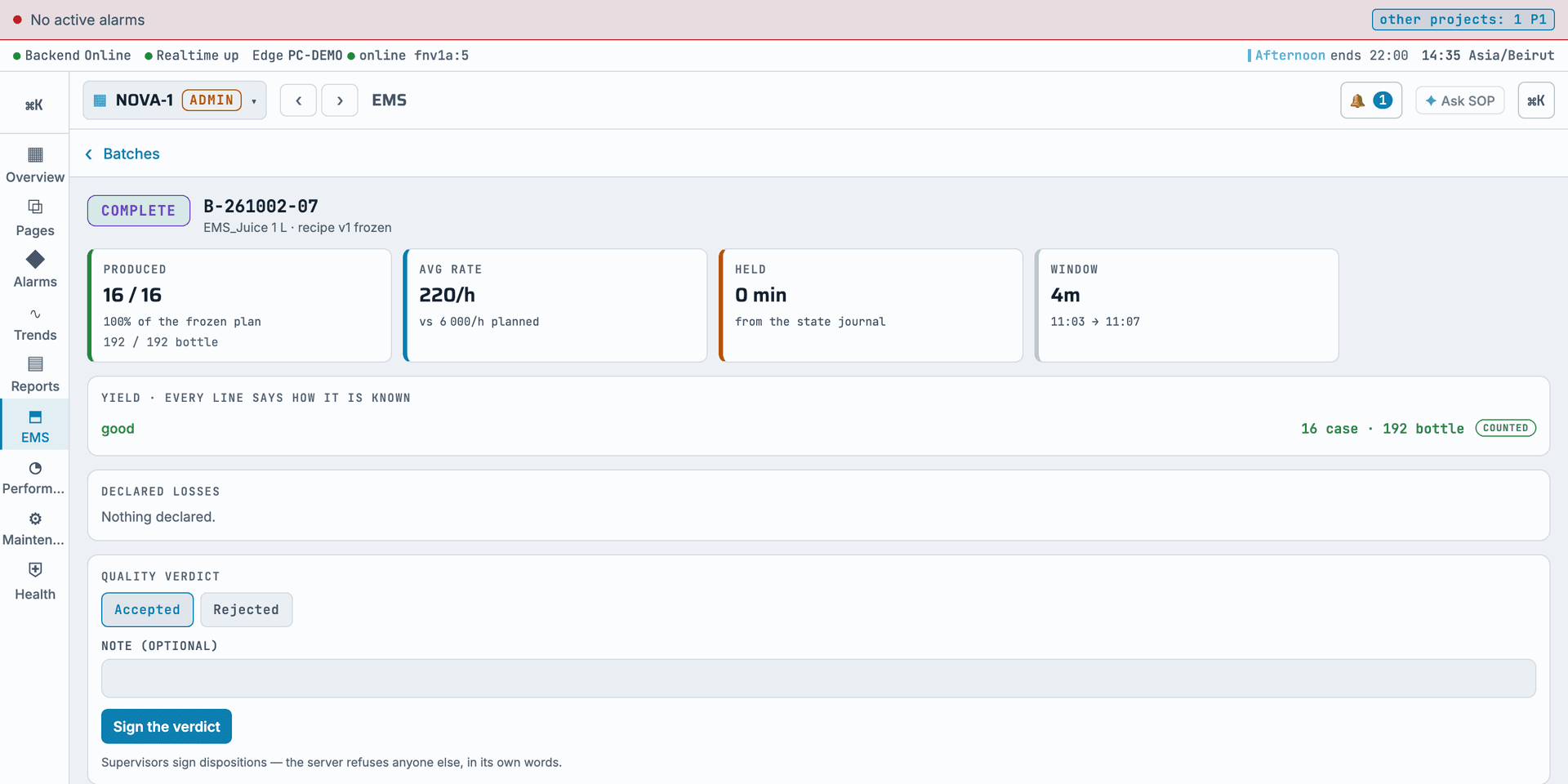
  • Every number says who measured it: counted, declared, or held by the arithmetic; the lab's signed count outranks the machine counter and both stay on the record; what cannot be known stays blank, never zero.
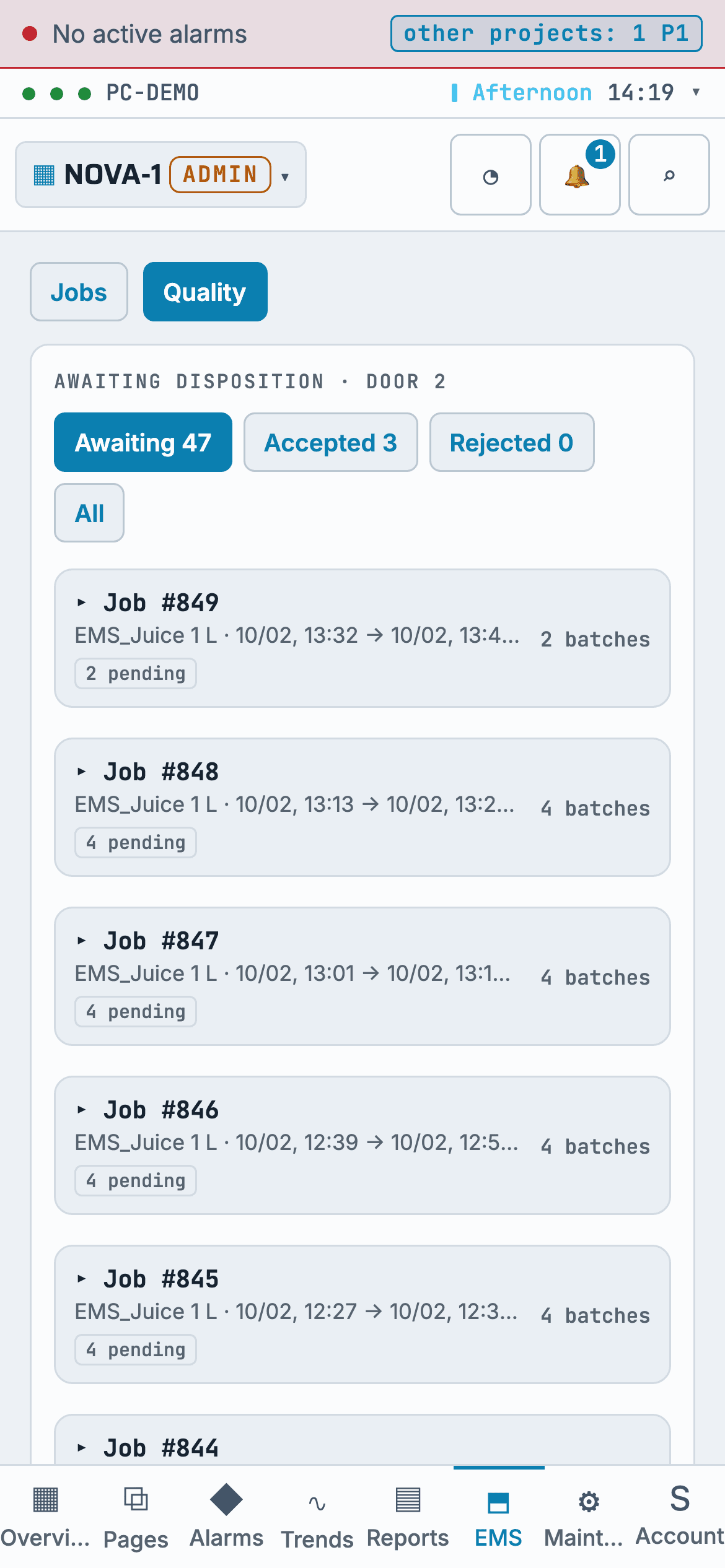
  • The board an operator can read from the aisle: one card per job, the batches as chips, the next boundary forecast — and the Quality door signed from the same screen.
  • No second store, no batch server, no line of code at the edge: the certificate prints from the engine that prints the shift handover.
03/05

Equipment Performance System

Lost hours stop being an opinion. Every one has a name.
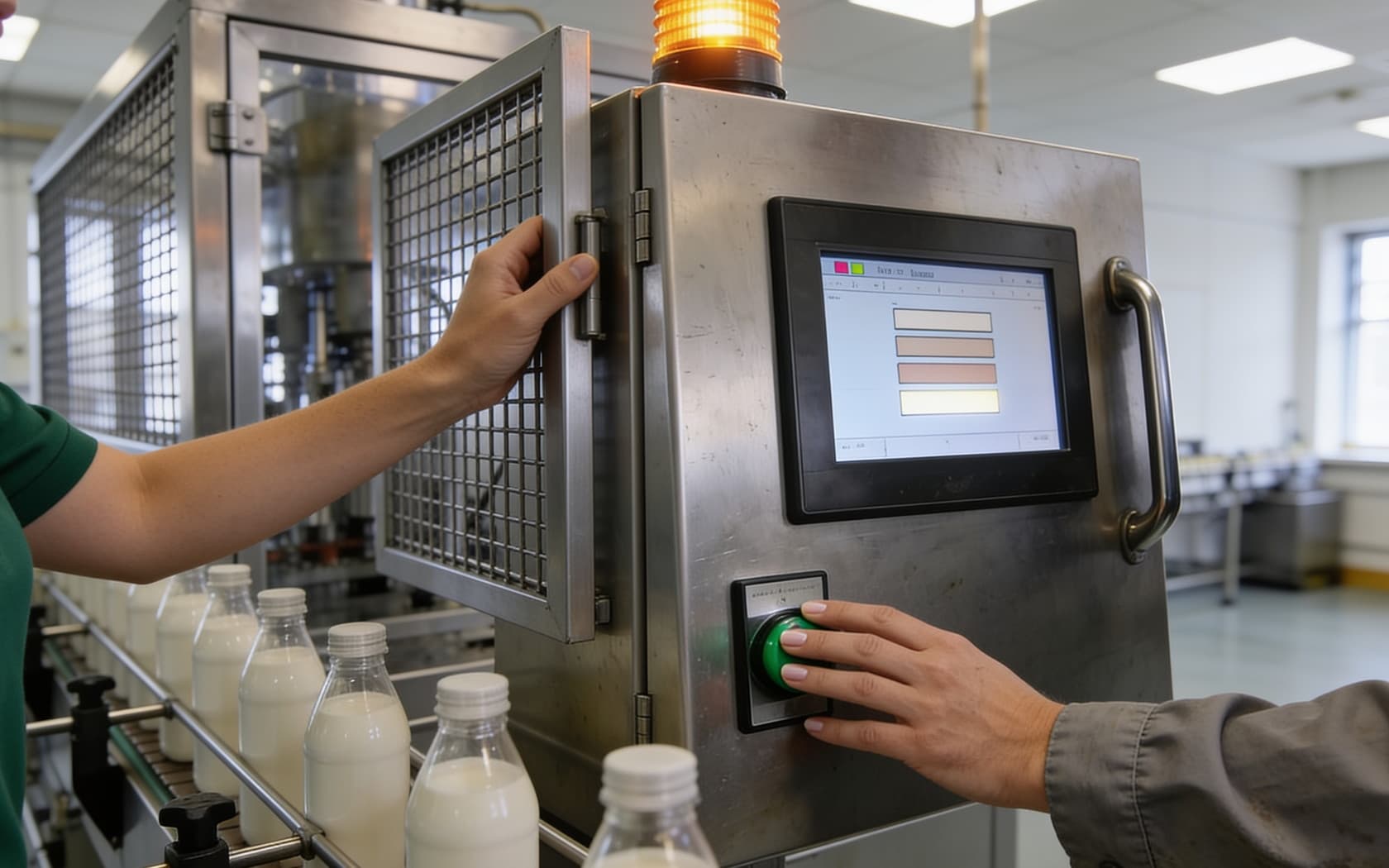
the restart moment: a guard closed, the stop named on the panel
  • One calculation, on the server, for every screen: the wall tile, the synoptic, the report block and the exported table are the same arithmetic and cannot disagree.
  • The stop is named at the restart, in two taps — nobody is interrupted while the line is down, and the short stops are never a popup.
  • A backlog no period can hide: every unnamed stop from commissioning to this minute, ranked by what it cost; forty small stops named in one drag.
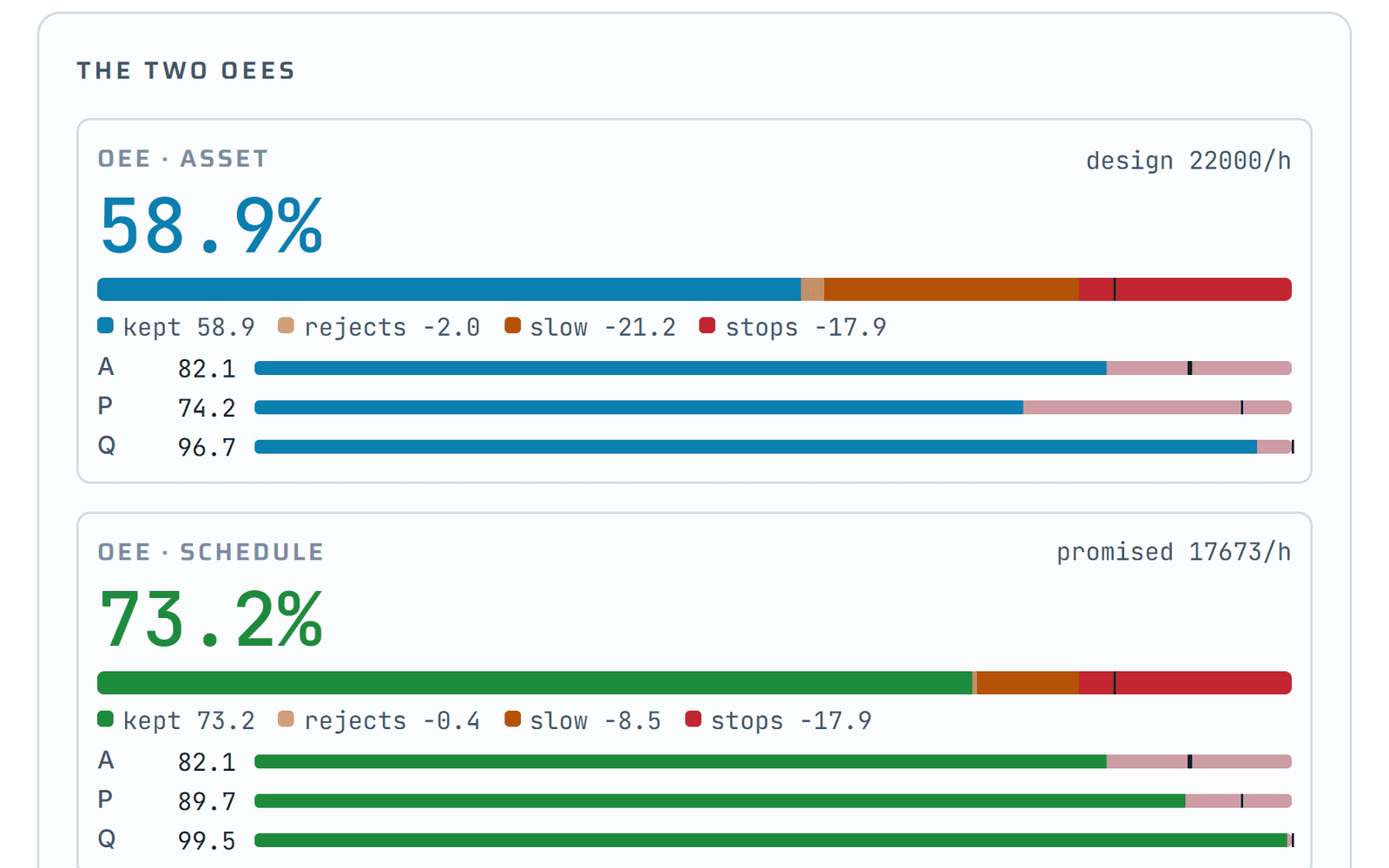
  • Two honest OEEs over any window — what the machine could have made, and whether the jobs met the rate their own recipe promised; one number cannot answer two fair questions.
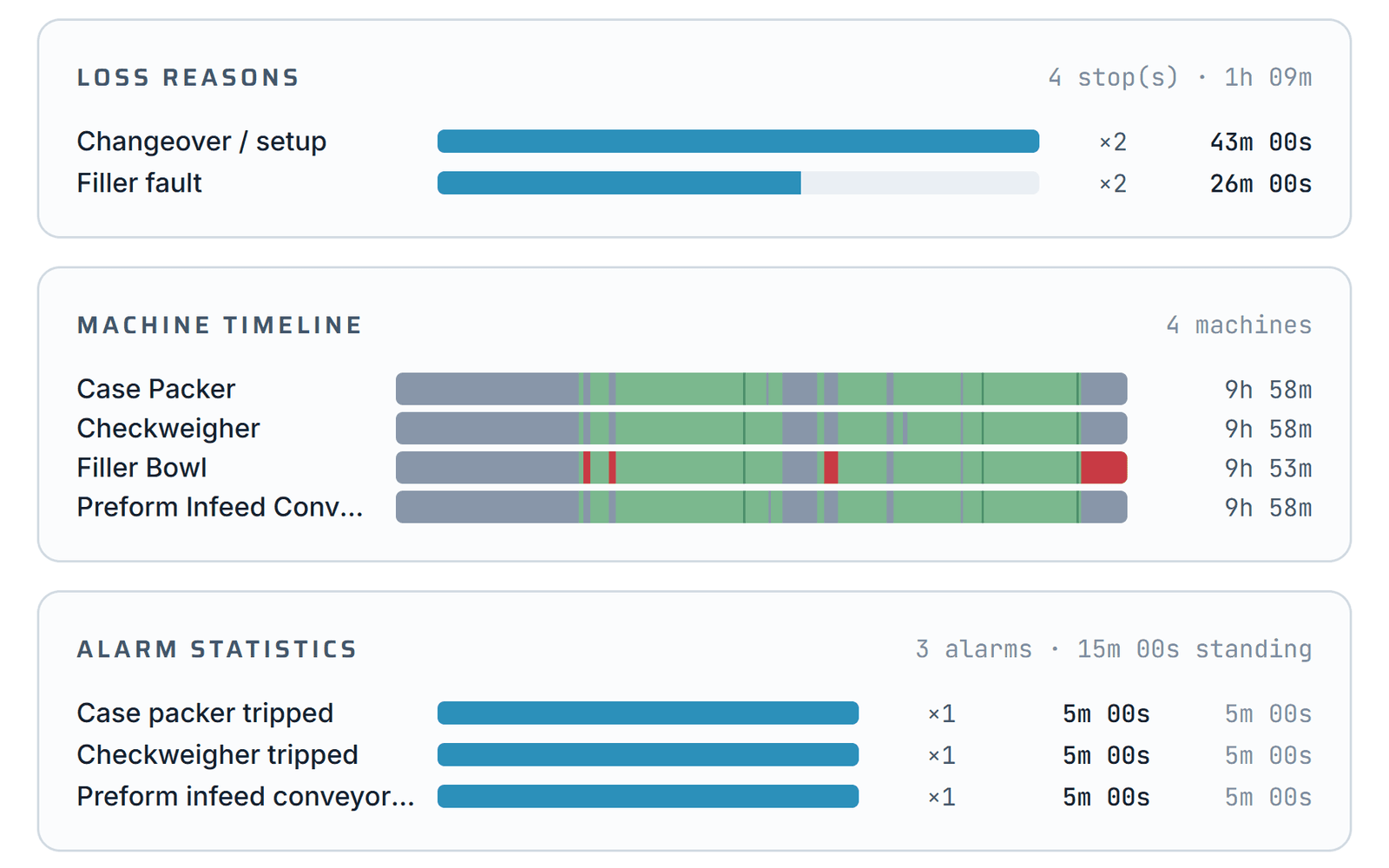
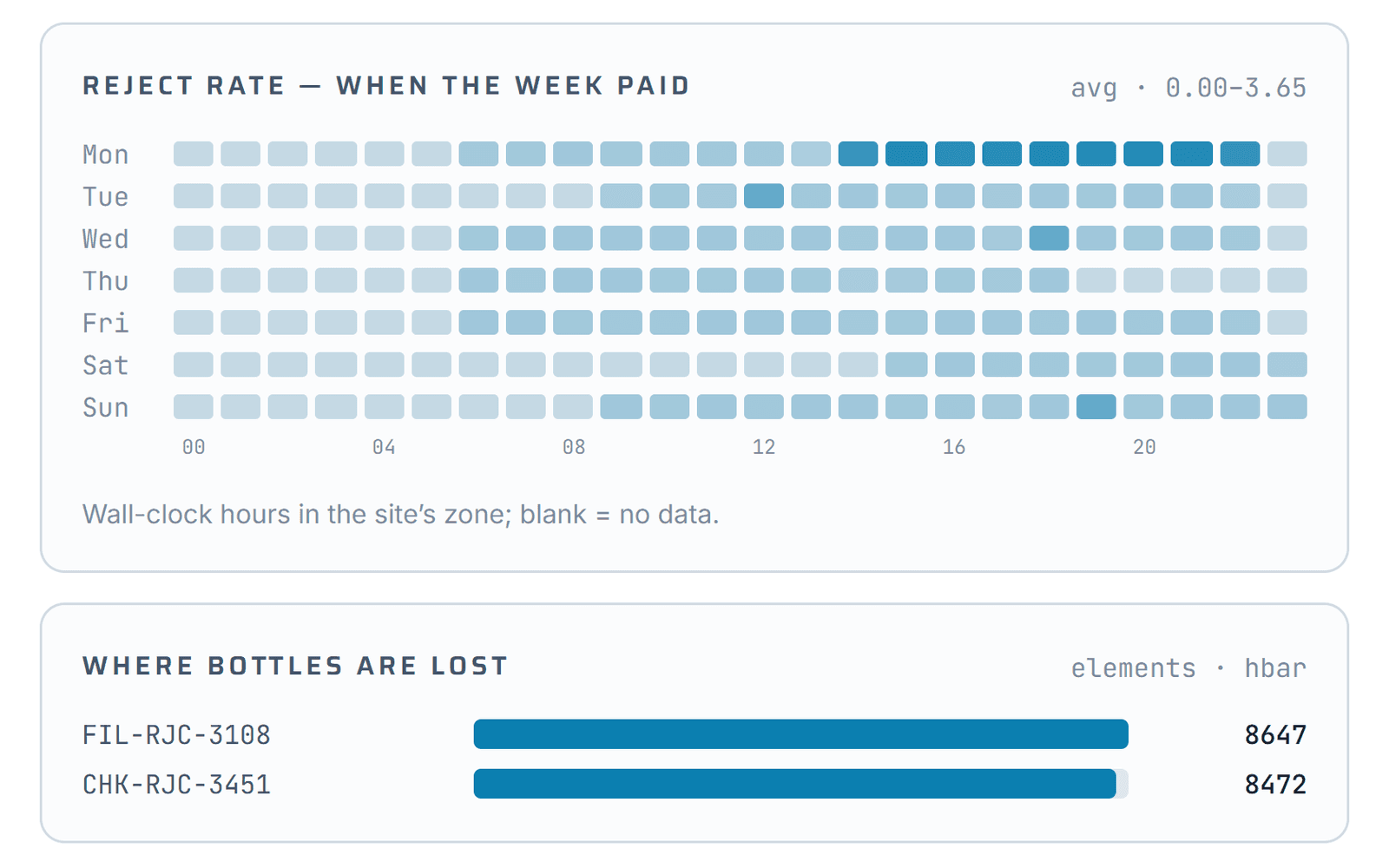
  • Six bands turn a bad percentage into minutes, units and money; the four loss families ranked in one glance; breakdowns, longest first.
  • Quality counts the first pass, every time; a signed verdict restates without erasing — nothing anybody wrote is ever quietly removed.
  • A dash, never a flattering zero; a planned wash or a released maintenance job leaves the availability number — doing the right thing stops being punished.
  • The shift printed, sealed and signed in one press, from the same engine as the batch certificate.

Seen in the product

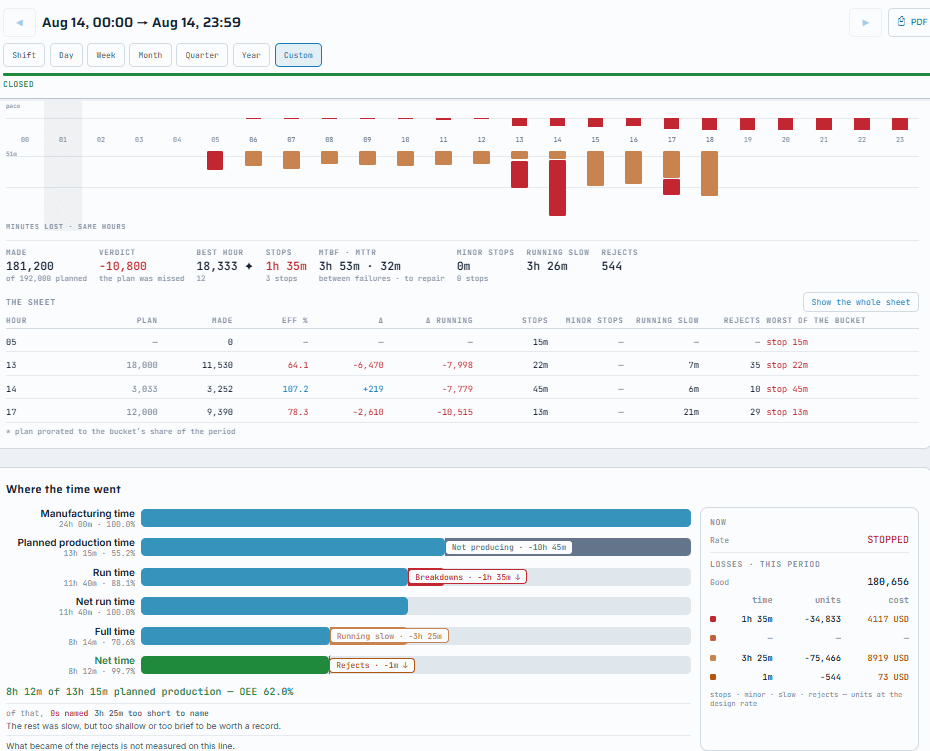
one day on one line, where the time went
One day on one line · the minutes lost hour by hour, the verdict against the plan, and where the time went — six bands, in minutes and units
04/05

Maintenance

The manager's whole plant on one board. The technician's whole job on one phone.

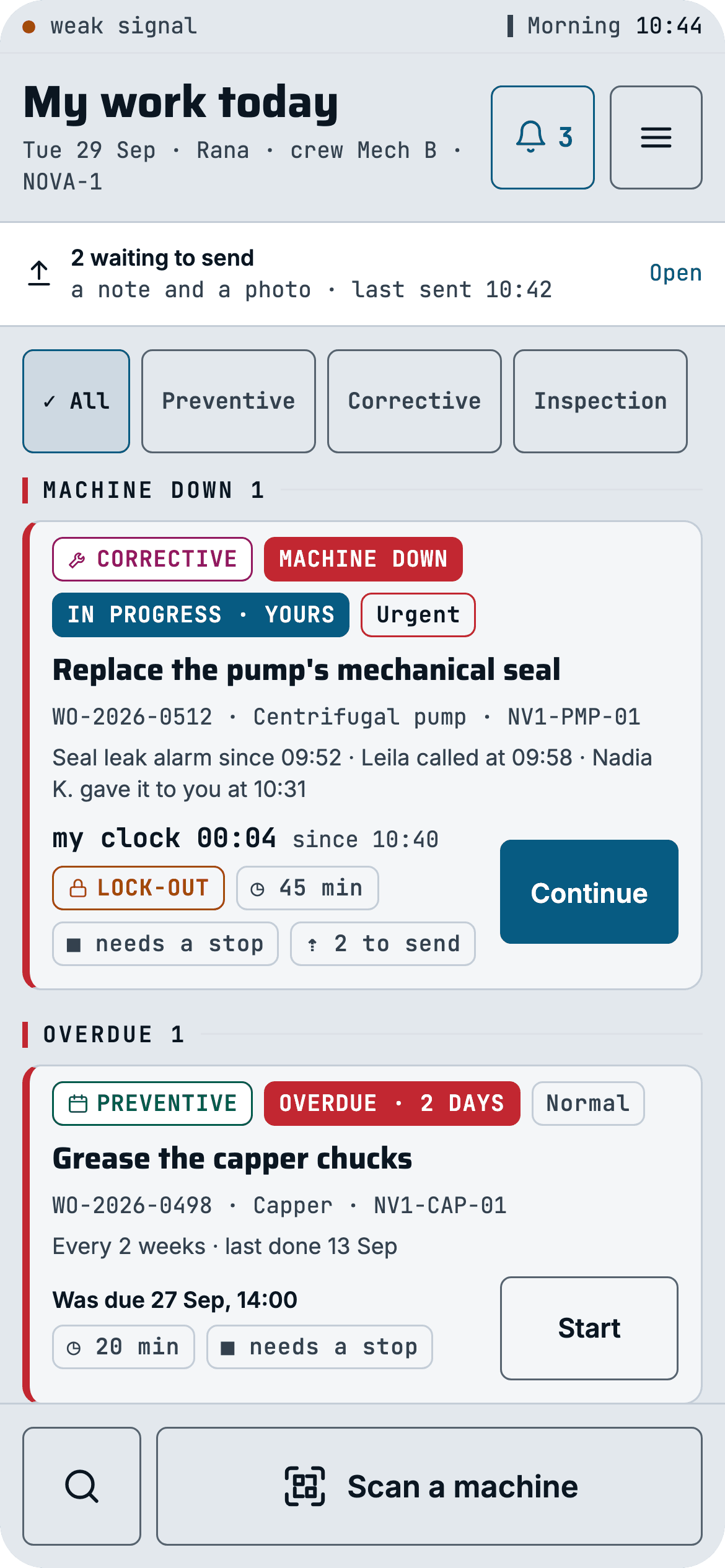
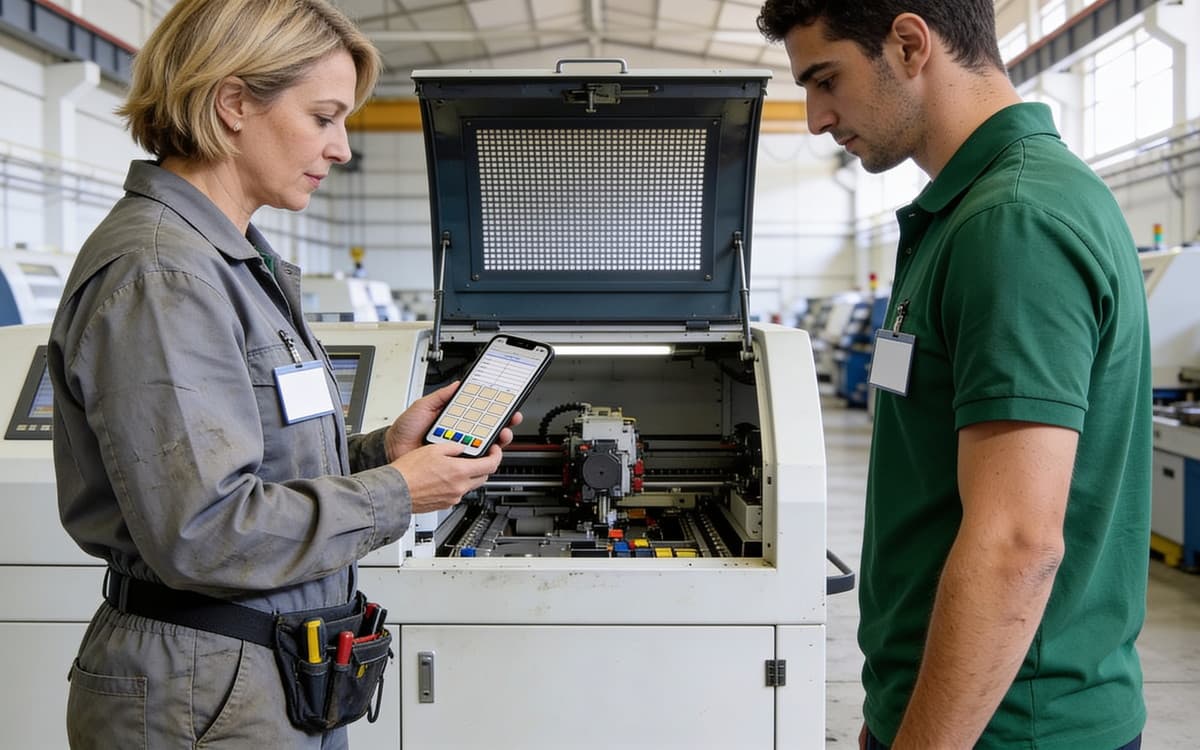
a technician with the checklist on a phone at an opened machine

The maintenance manager · at the desk

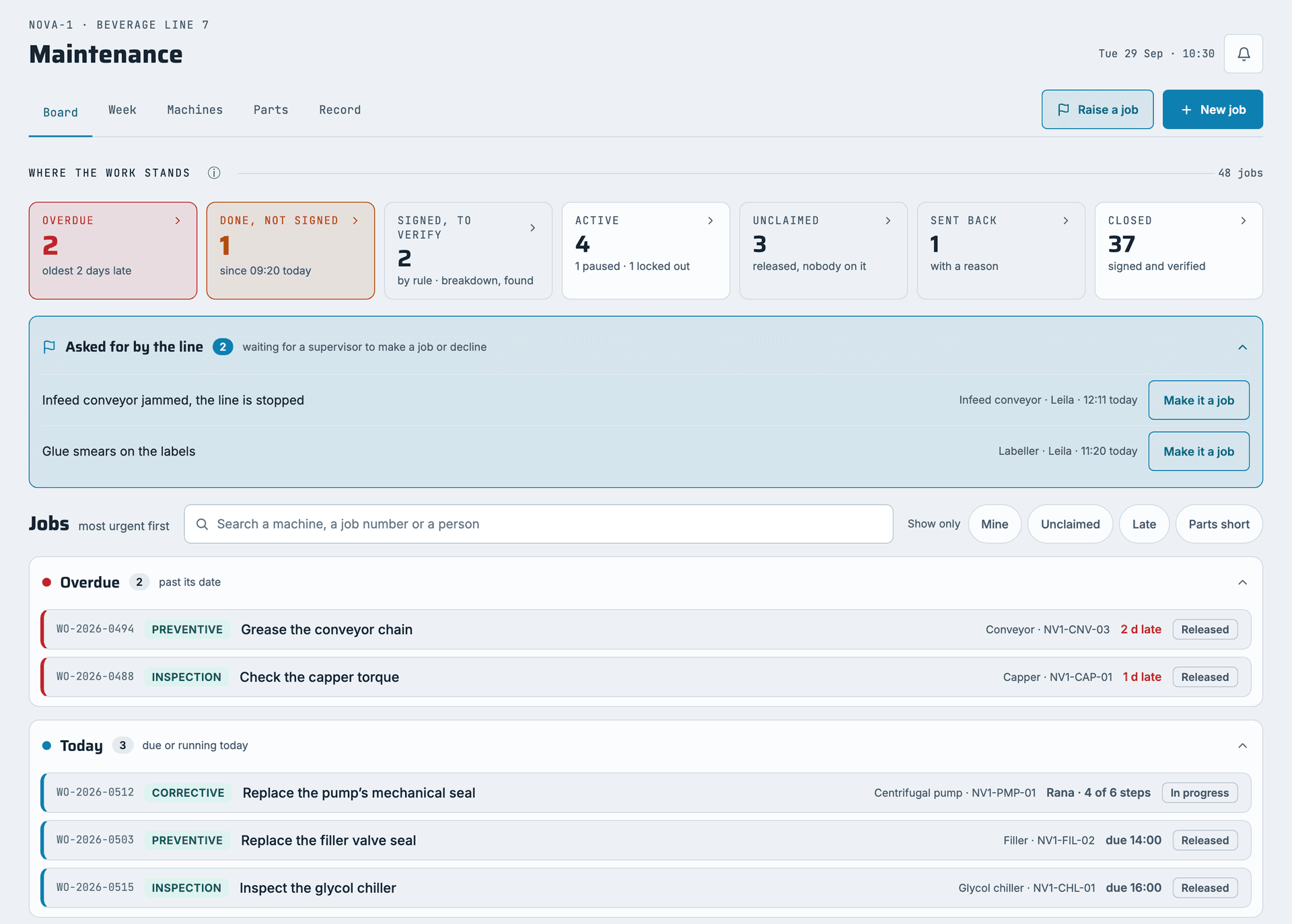
  • One board, the whole truth. What is overdue, what is done but not signed, what waits to be verified, what the line asked for — in one look.
  • The line asks, you decide. An operator's call lands on the board with its machine and its moment; one press makes it a job, or declines it.
  • Plans that count for themselves. Running hours and starts come from the line's own run record, so a plan falls due on what the machine really did.
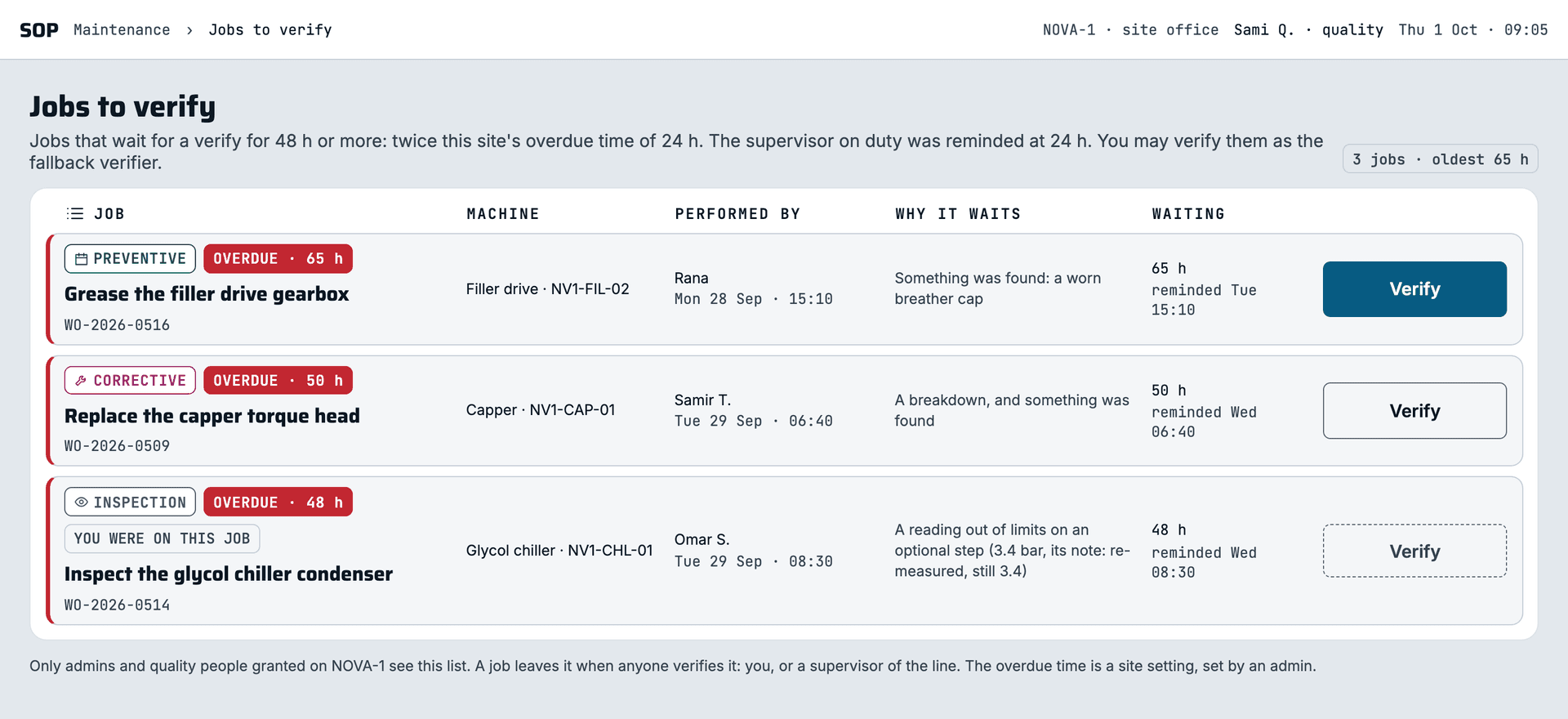
  • Nothing closes on one signature. The technician signs the work; a supervisor or quality verifies it, and a job left waiting is flagged until someone does.
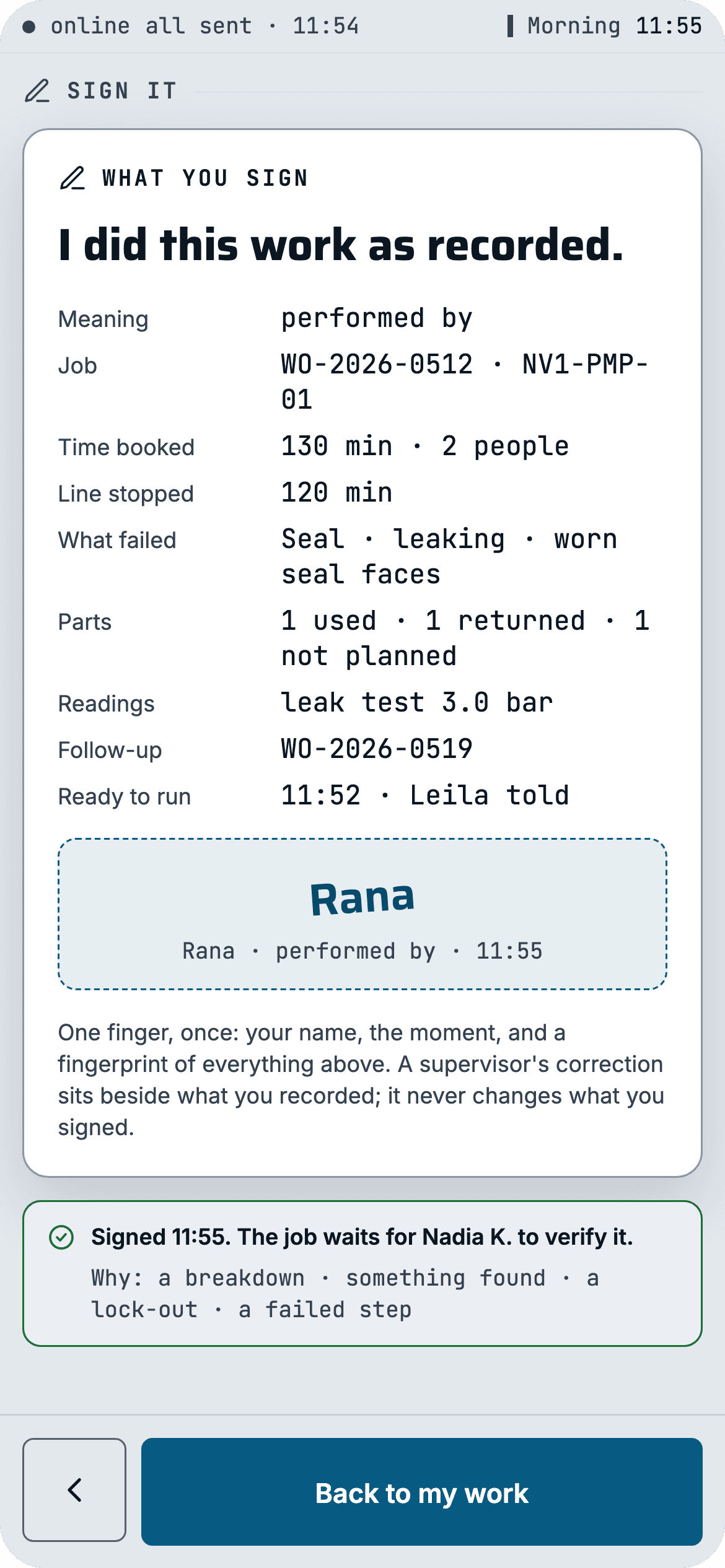
  • The record writes itself. Time, stopped minutes, parts, readings and the follow-up — sealed, signed, ready for the auditor.

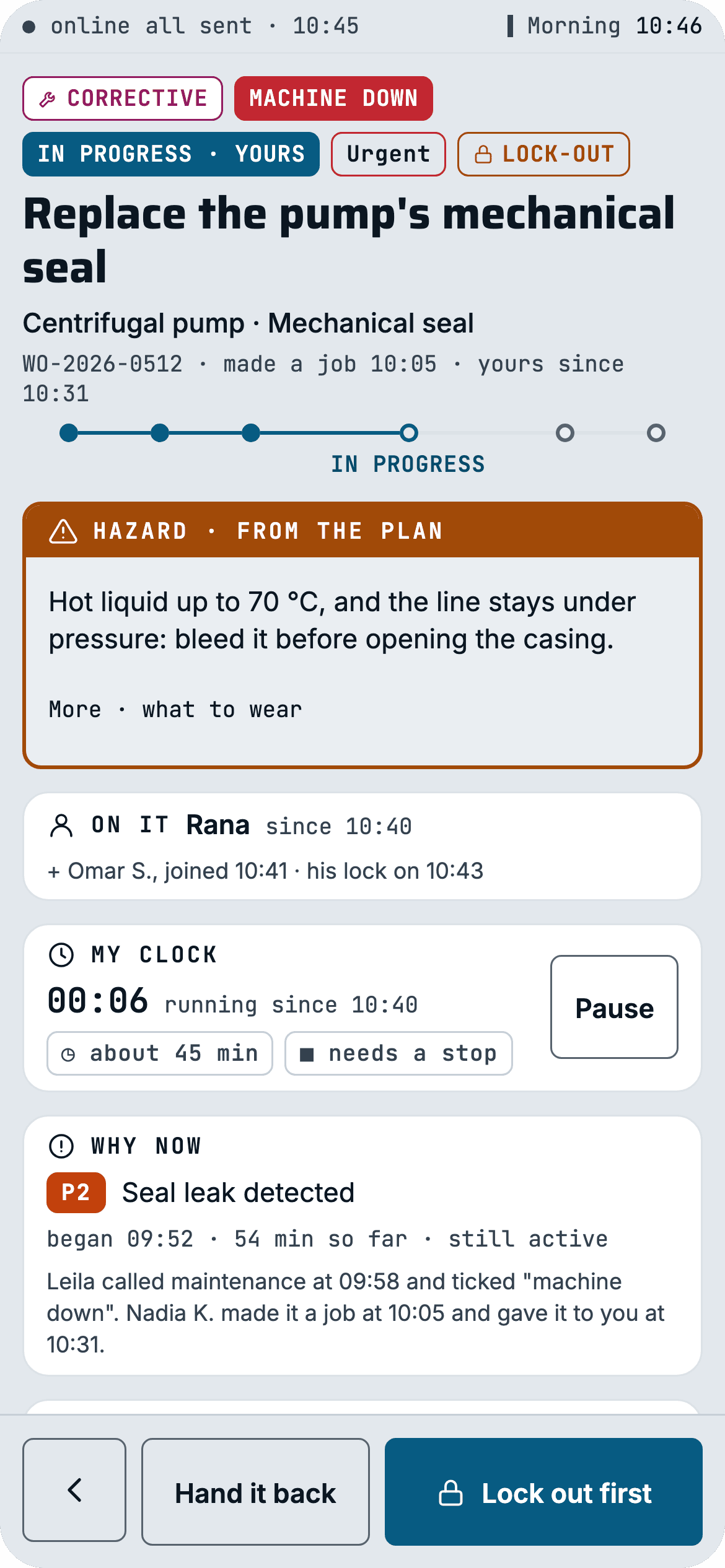
The technician · at the machine

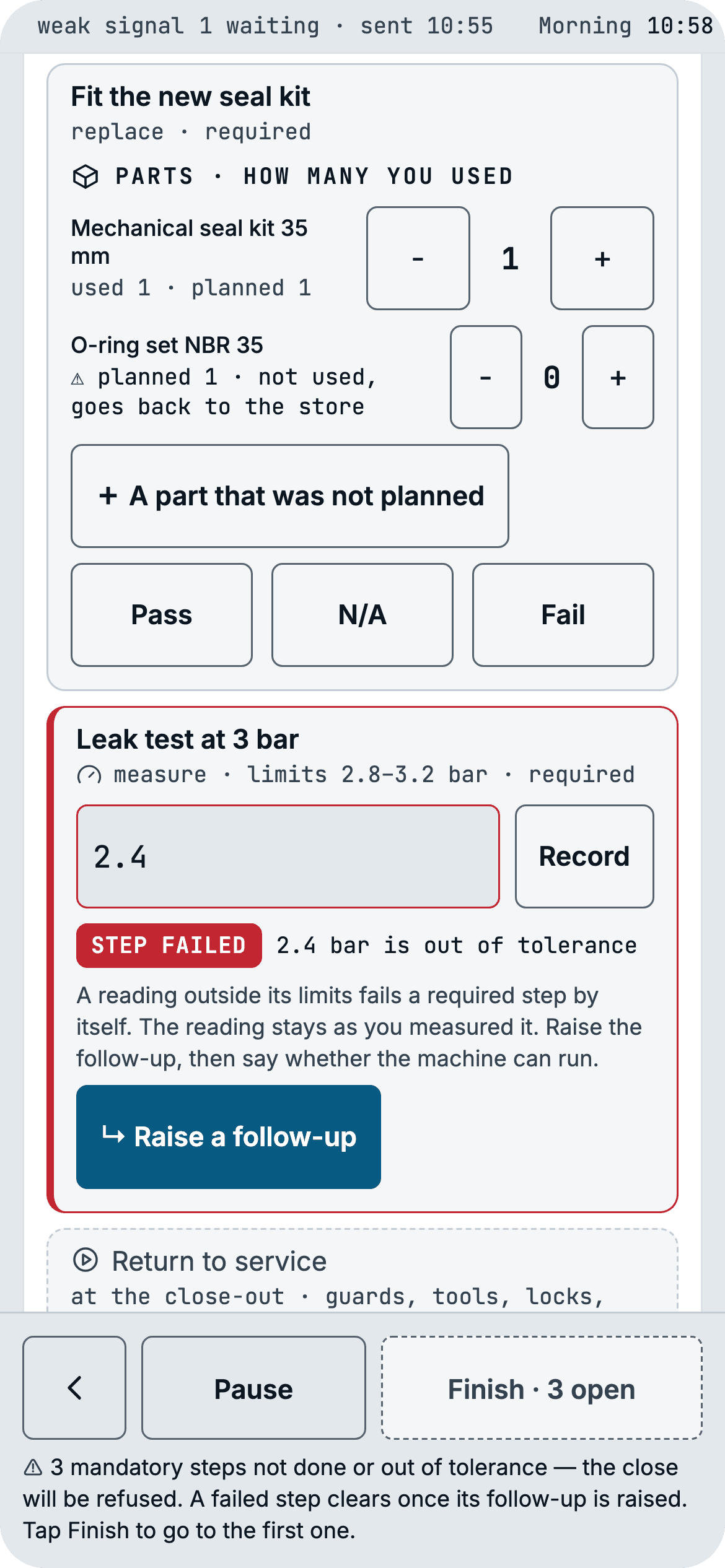
  • My work, in the right order. Machine down first, then overdue, then today — and on a weak signal every press waits its turn and goes when the signal is back.
  • Why now, and what can hurt you. The alarm that started it, who called, the hazard from the plan, and who else is on the job.
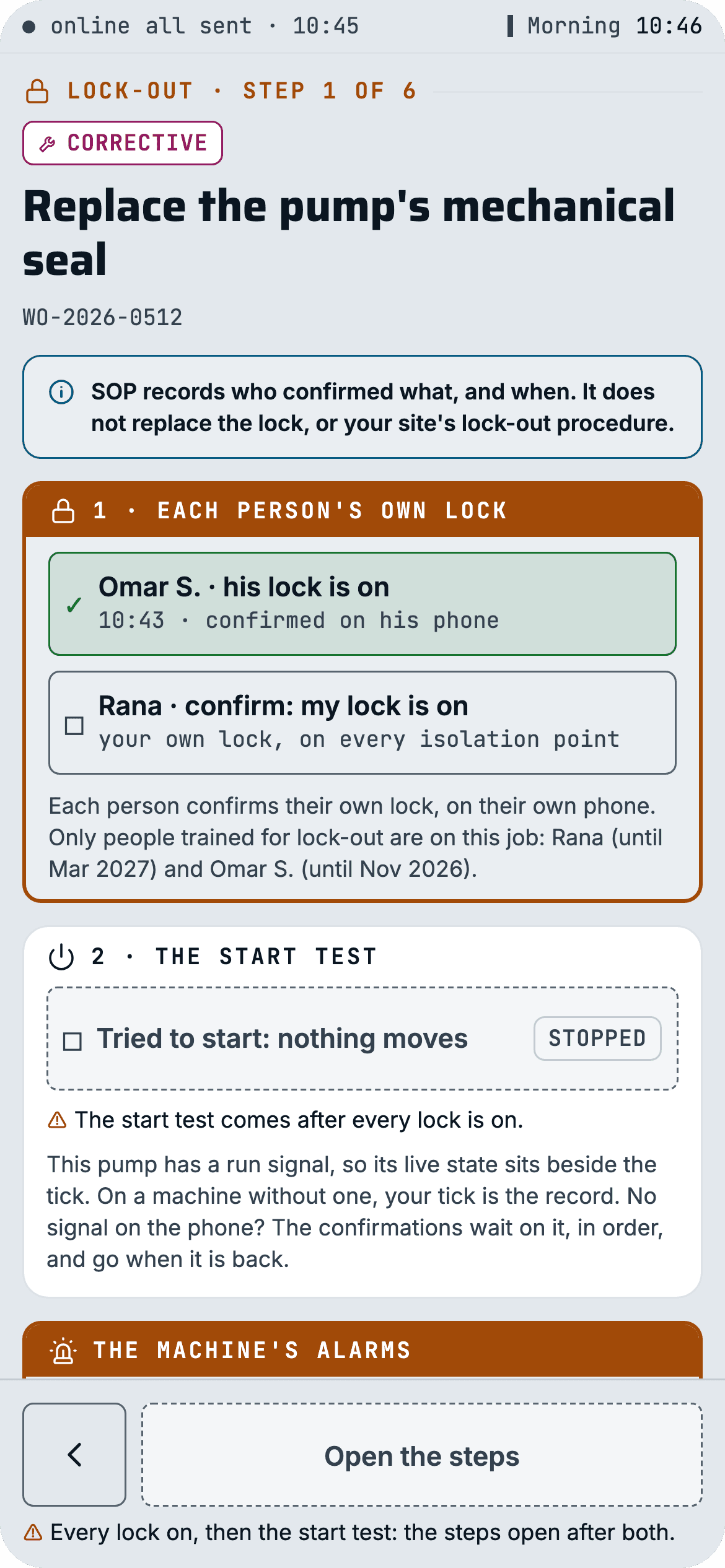
  • Every person's own lock. Each one confirms their lock on their own phone, then the start test; the steps open only after both.
  • A wrong reading cannot hide. A measurement outside its limits is judged red at the box and fails its step until a follow-up is raised.
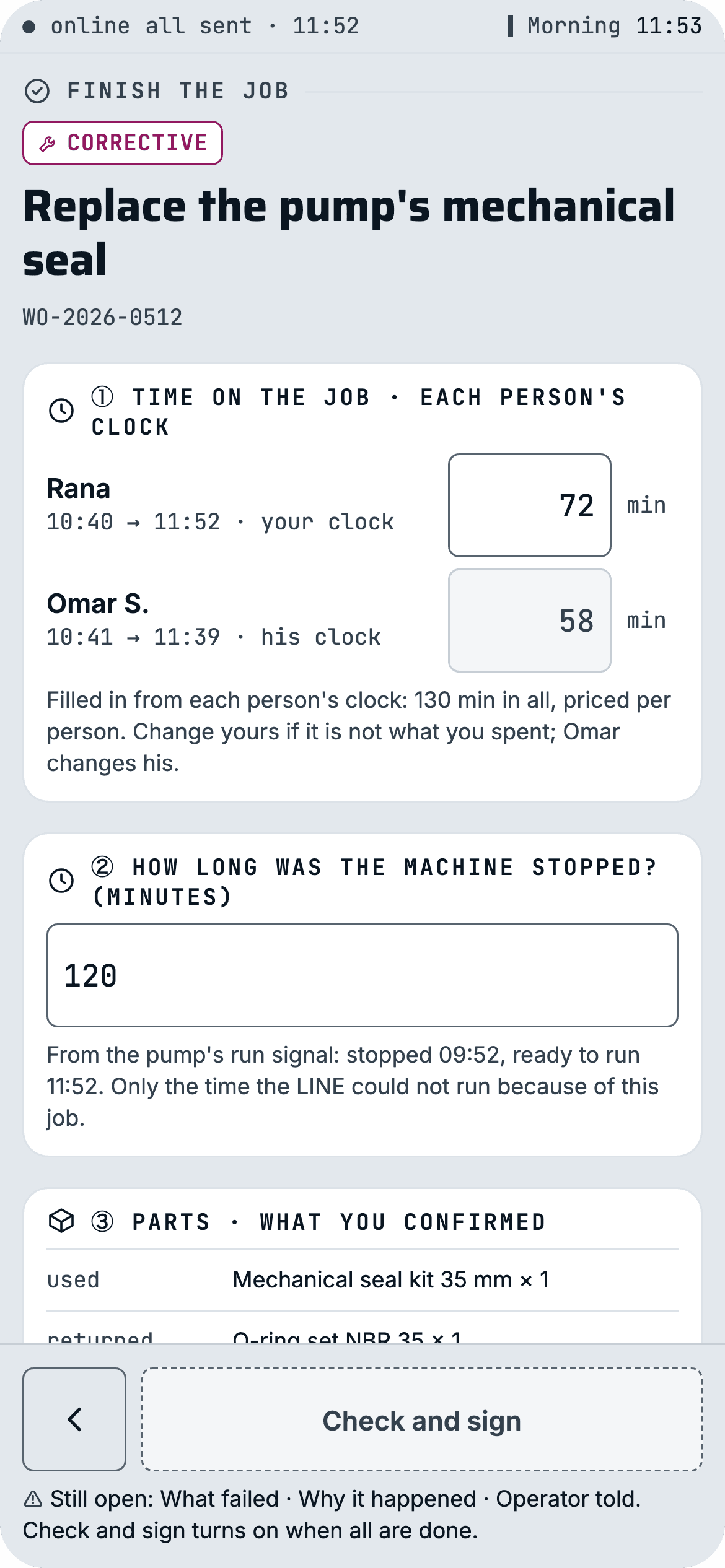
  • Close-out, filled in for you. Each person's time from their own clock, the stopped minutes from the machine's run signal, the parts already counted.
  • One finger to sign. The name, the moment and a fingerprint of everything above; a correction sits beside it, never over it.
05/05

Enterprise Reporting

A reporting engine, not a report server.

a supervisor signing the shift handover on a tablet on the floor
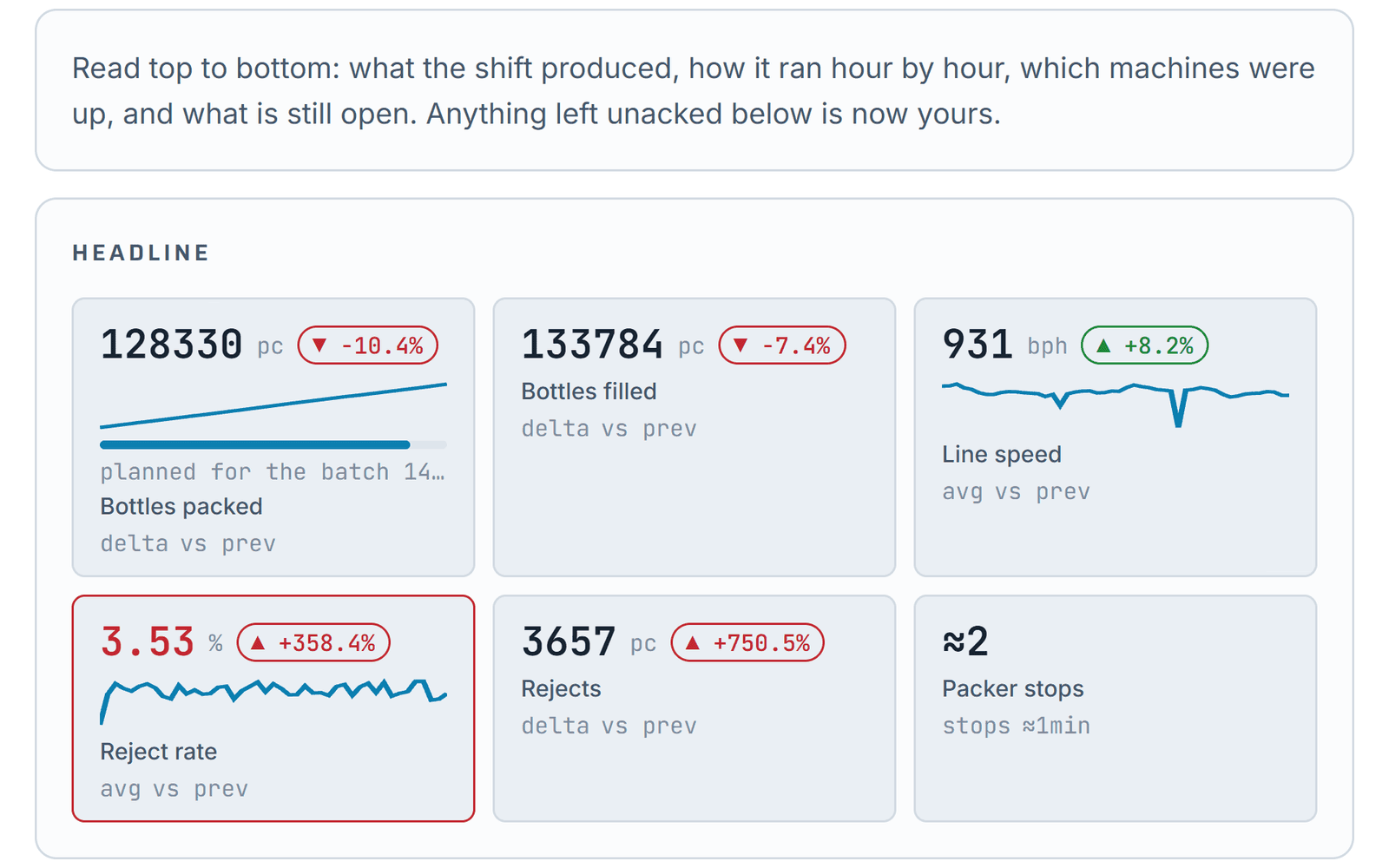
  • Every sheet the plant needs, and what makes it appear: per shift · daily · weekly · monthly · per batch · per production order · per maintenance job · per cycle of a condition · on an excursion · since it last ran · any window you type. Nobody presses anything.
  • Ready-made and yours to change: the shift handover · the batch certificate · the maintenance record · the audit sheet for the machines the auditor names · the excursion investigation · the monthly review.
  • Blocks bound to the plant's own tags, never typed in: headline tiles against the plan tag, period tables, trends carrying their own alarm limits, bar, donut and scatter charts, gauges, heatmaps, machine timelines, alarm journals and rankings, consumption priced from a dated rate book, the performance cascade, the maintenance blocks.
  • Computed on the server, frozen on arrival, numbered, sealed with a hash anyone can check outside the building, signed by name and capacity with the signer's own password — never edited, never withdrawn; a re-run is a second document beside the first.
  • On the plant's own letterhead in three languages, right to left included; mailed to a list, filed as PDF, exported for the numbers; every run ever filed reprinted one press away.
  • Read it, print it, sign it, from a phone — the supervisor who signs the handover signs it on the floor.
  • One clock, one key, one archive: the same shift on every module, one signal one identity, every sheet filed side by side and none removable; what a person may not see on the line, they may not read on the paper.

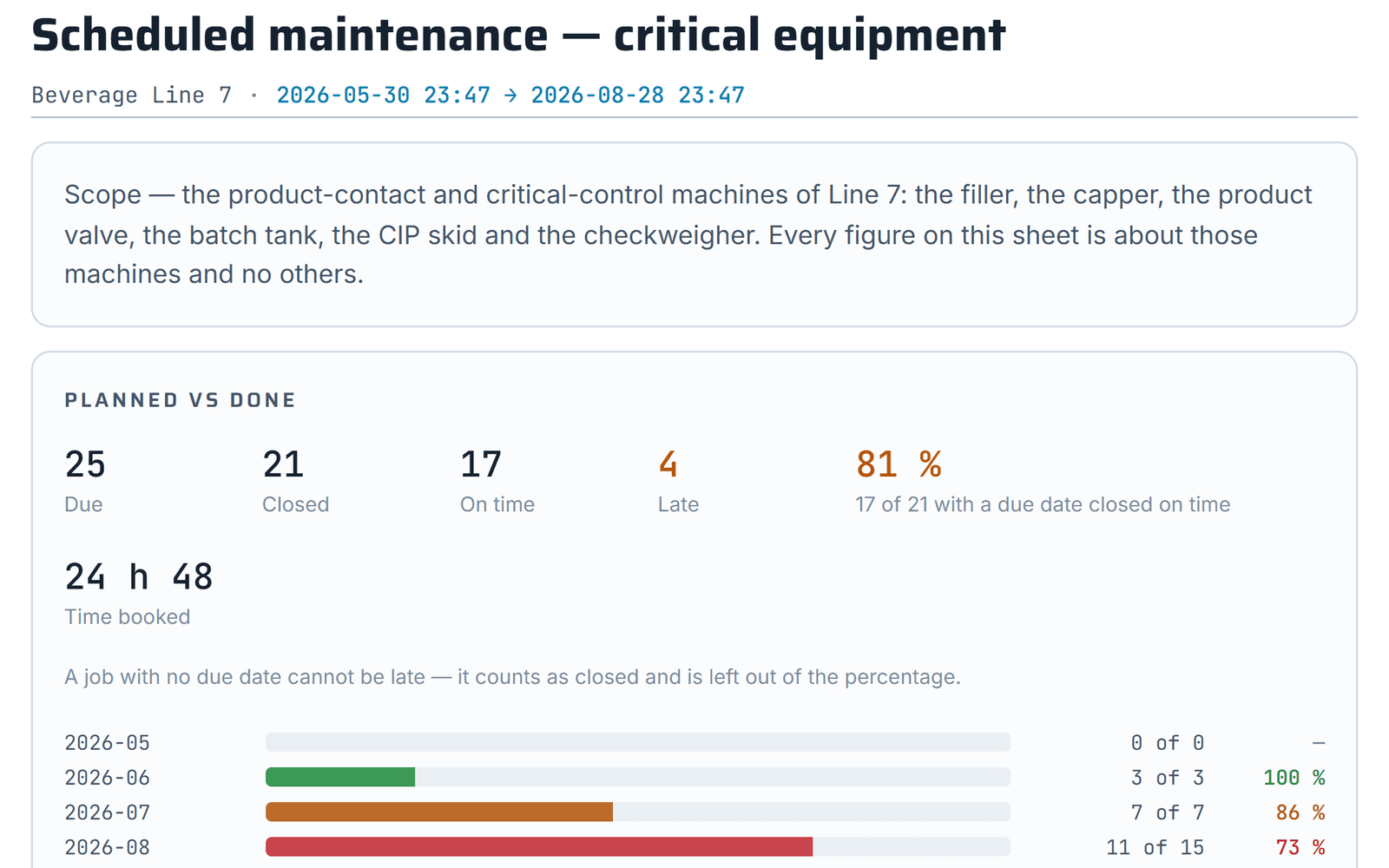
In the class, these are separate products with their own databases and licences, joined by connectors and an integration project. Here they are the same rows. Adding a capability is a migration, not a project.

See the capabilities

The licence

One platform, one licence per line you deploy.

Perpetual, per deployed line, on your own hardware or on the cloud backbone. The business capabilities — Execution Manufacturing System, Equipment Performance System, maintenance — per line, per year, support and updates inside. Full figures in the SOP Price List, through your partner.

How the licence works

Who SOP is for

The plants our partners serve.

Through system integrators

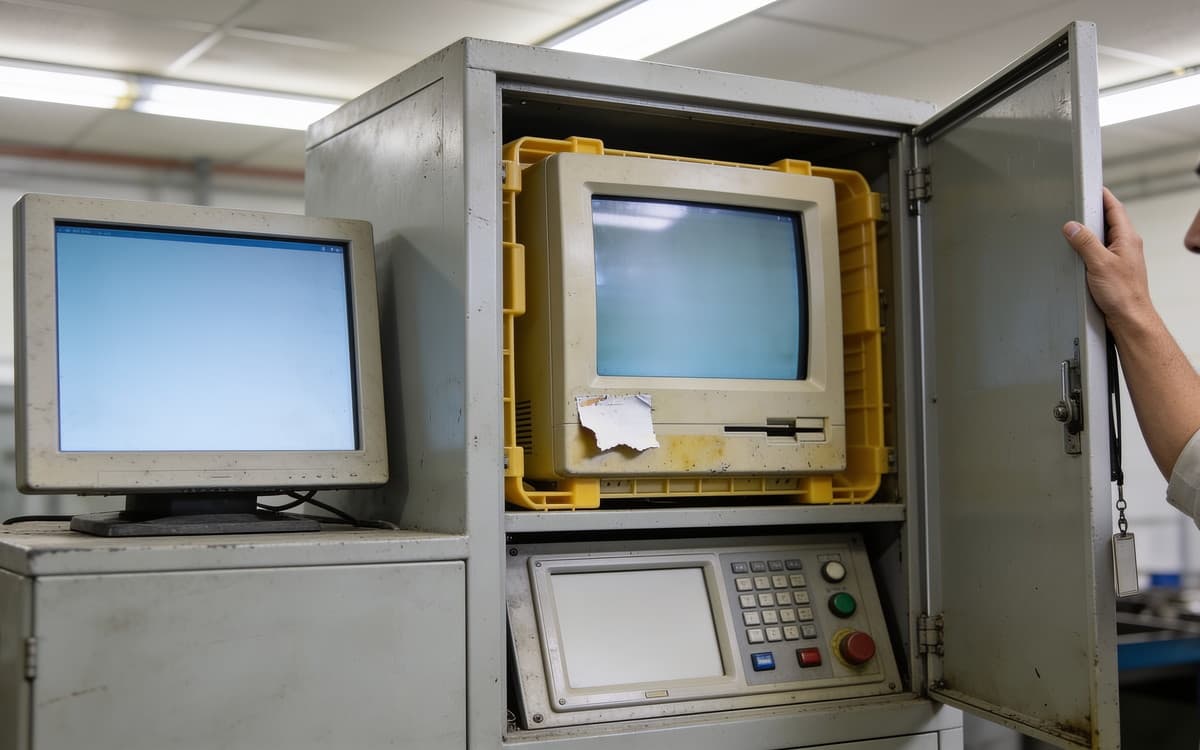
an ageing industrial PC

A SCADA at end of life

The renewal invoice, an unsupported Windows, a discontinued version.

Migration line by line, the PLCs kept; the record, EMS and CMMS arrive with the migration, not as three more products.

a wall monitor and a paper logbook

A plant that sees its line and knows nothing about last night

"We see the line. We know nothing about last night's production, or when that pump was serviced."

The complete EMS and CMMS on the existing PLCs; the whole plant on one database with no integration project.

the quality manager and the certificate

A regulated producer facing an audit

Food, beverage, pharma, cosmetics, chemicals: a customer audit, a recall drill.

Signed recipes, batch certificates, sealed and signed reports, the maintenance record — no report server.

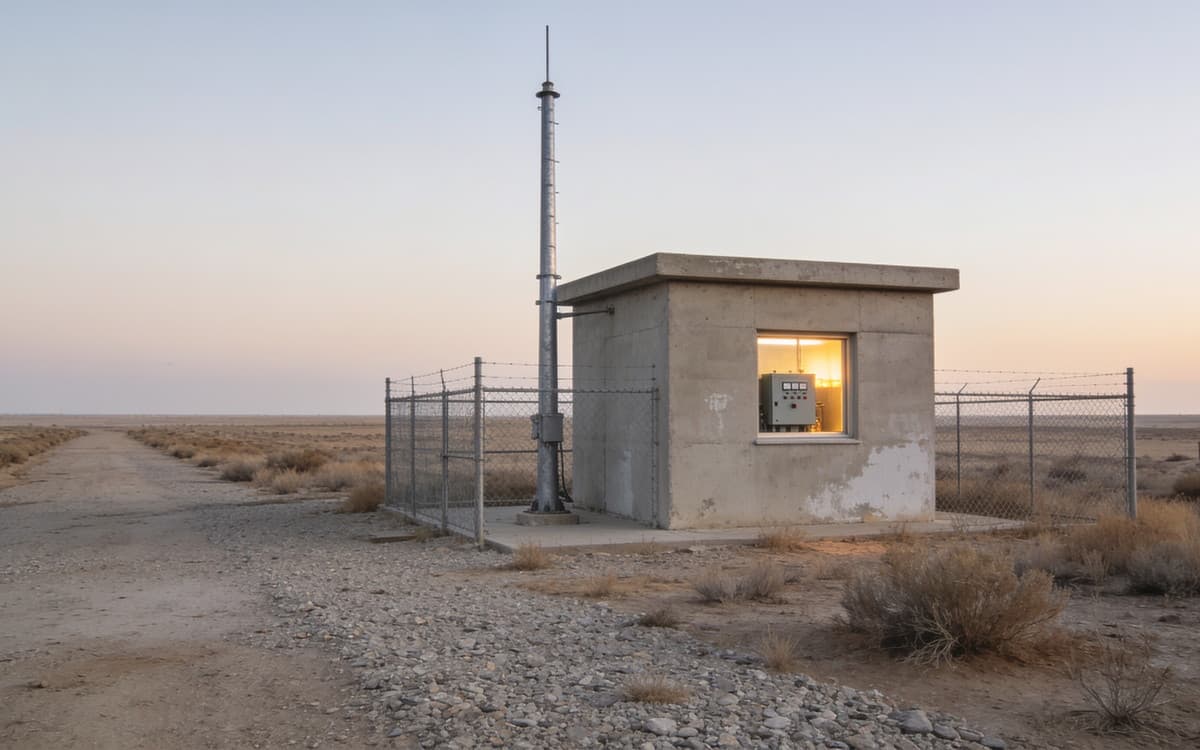
a pumping station at dawn

A remote, harsh or air-gapped site

Water, mining, utilities, oil and gas, defence: no reliable link, no cloud allowed, no IT on site.

The scripted install, duty and standby, the emergency HMI, a licence carried in on two strings.

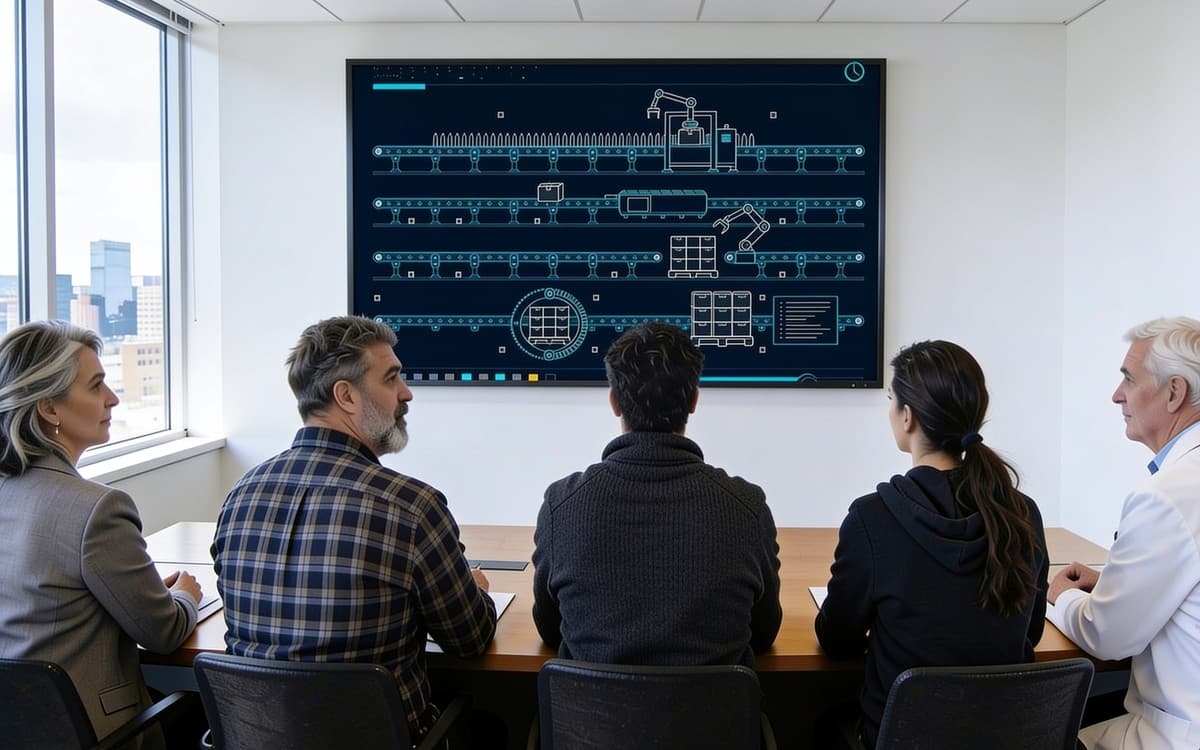
the headquarters room, five plant tiles

A group with several plants

The board wants one truth across sites; every plant reports differently.

The central backbone, one project per line, consolidated reports; a line travels as one file to the next plant.

Through machine and line builders

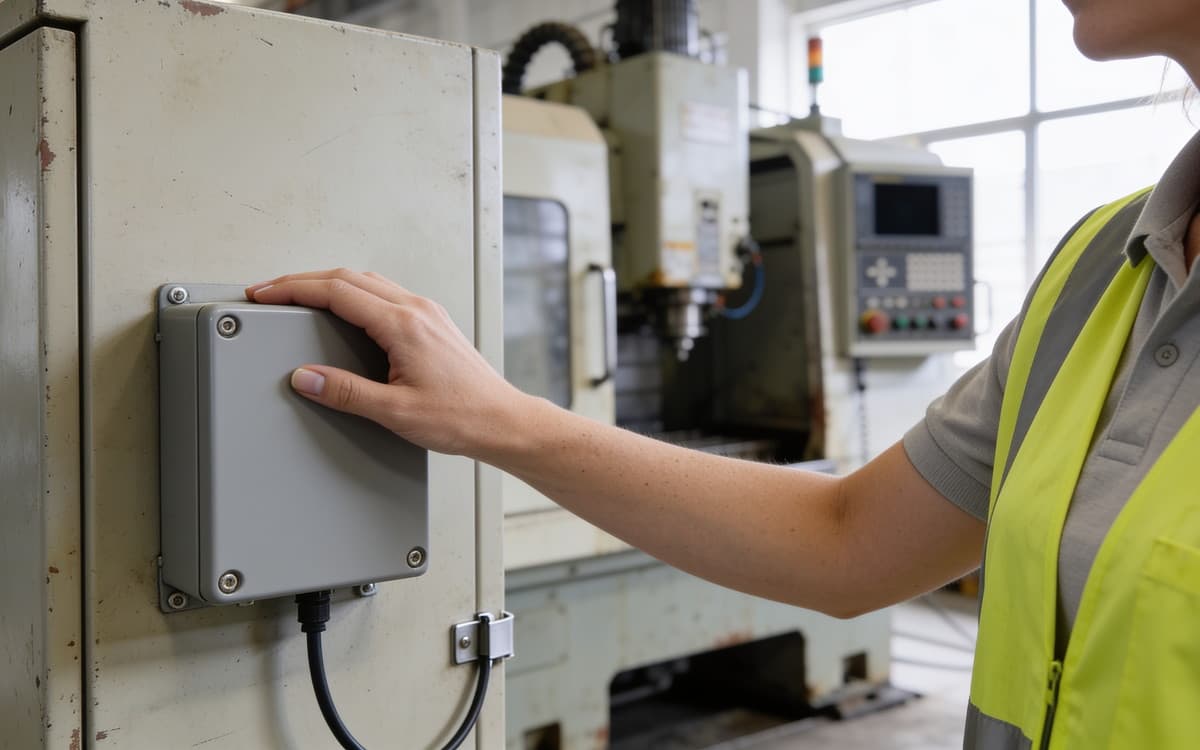
an older machine, a fresh edge box beside its cabinet

The installed base, earning nothing since delivery

"We sold so many of these; they earn nothing after delivery."

The retrofit at the next service visit: a record, a history, the maintenance package, remote assistance from your desk.

a new line in commissioning

A new machine in a plant without a system

"We want to see the machine from the office, and keep what it did."

The machine on SOP: its pages, alarms, trends and record; nothing installed at the client.

two people over a tablet, a signed sheet

A performance to prove at acceptance

"Show me the line does what the contract says."

The line judged against the rate you promised, every loss named, the acceptance signed by both sides.

a builder's service desk at night

A delivered fleet that stops at night, a flight away

"The client is a flight away and the line stopped at night."

The remote desk: the live pages, the journal, the trend, the replay — the first technician arrives knowing, or does not travel.

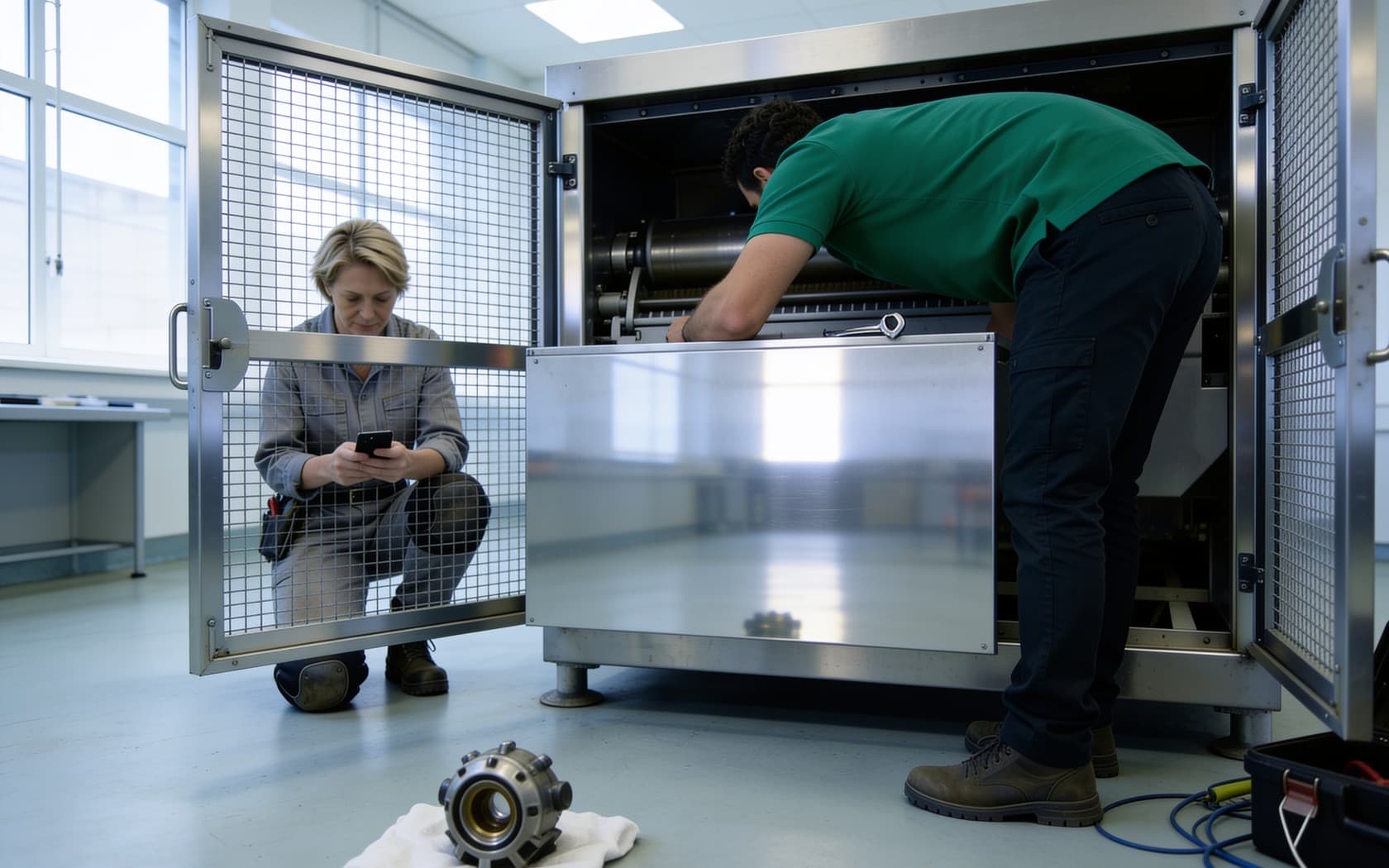
a technician and an engineer at an opened machine

The client who only calls when it breaks

"They call us when it breaks, and only then."

Your service knowledge running the client's maintenance; the spares call comes to you because your number is on the part.

Company

Built by automation engineers who have stood on a plant floor.

Twenty-five years of experience implementing projects in food and beverage, oil and gas, residential, utilities and energy stand behind SOP — sixteen of them in the field, seven in research and development. Nothing in the stack is sunsetting: Postgres, TimescaleDB, one program at the edge, one renderer in the browser.

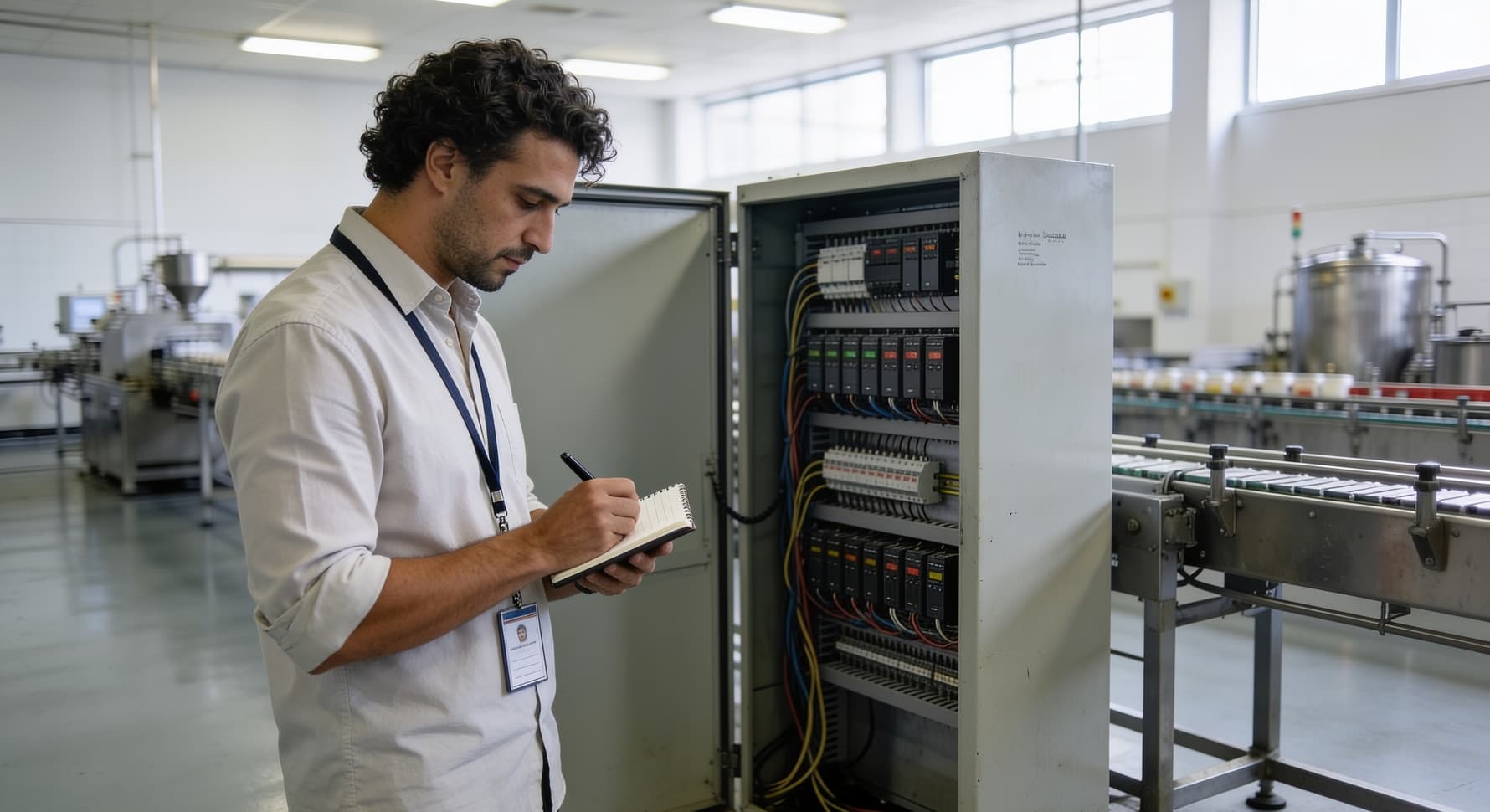
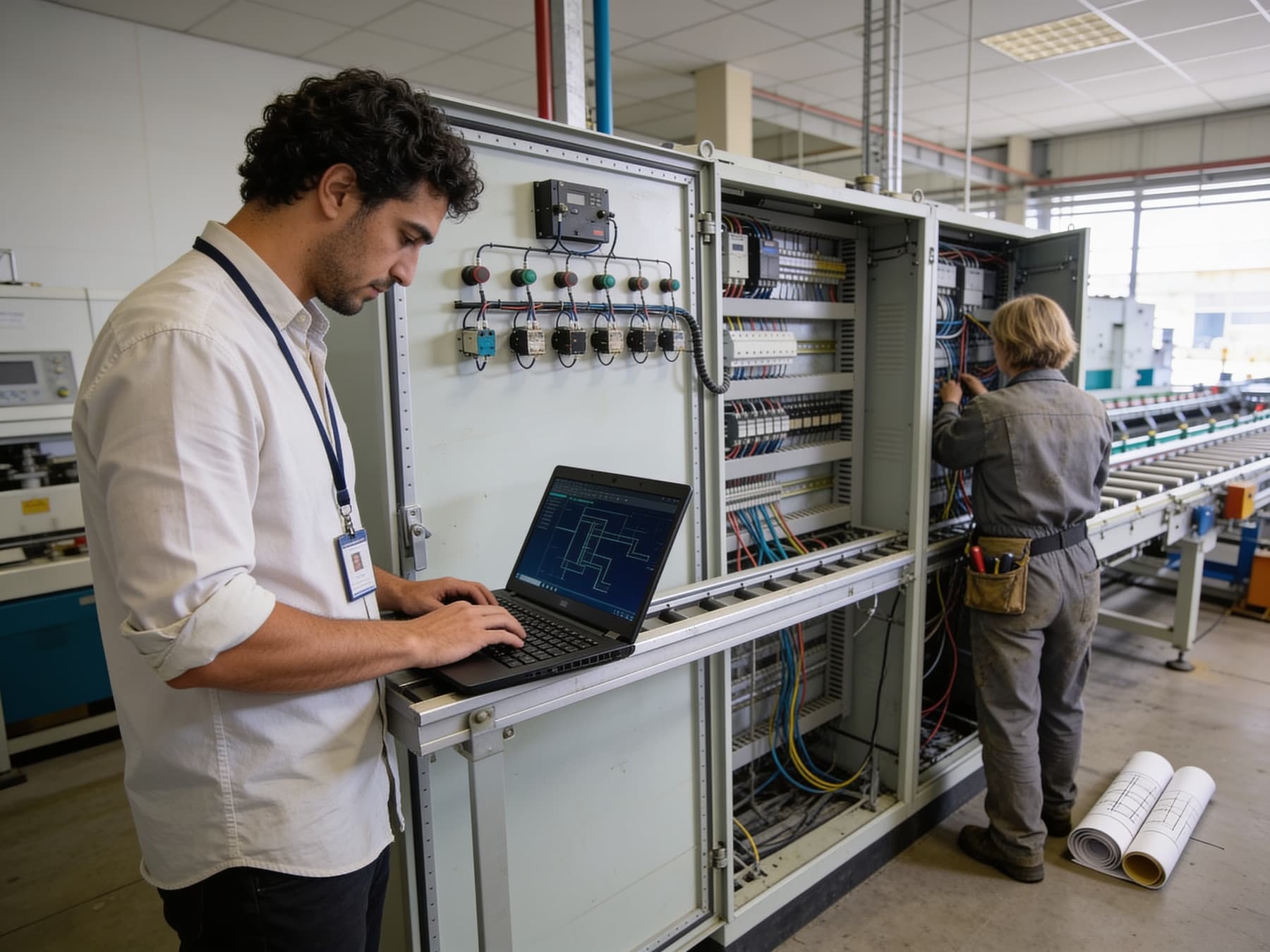
two automation engineers at an open control cabinet at commissioning

Information material

Eight documents, yours to read before you decide anything.

SOP
THE PLATFORM

SOP — the platform

pdf · 14 pages

SCADA
CORE

SCADA Core

pdf · 18 pages

EMS
MODULE

EMS · Execution Manufacturing System

pdf · 16 pages

EPS
MODULE

EPS · Equipment Performance System

pdf · 14 pages

CMMS
MODULE

CMMS · Maintenance

pdf · 14 pages

REPORTS
MODULE

Enterprise Reporting

pdf · 14 pages

INTEGRATORS
EDITION

Integrators Edition

pdf · 18 pages

OEM
EDITION

OEM Edition

pdf · 20 pages